

I woke on Tuesday, July 14, 2026, accepting the real possibility that after a visit to the hospital, I’d be admitted for brain surgery. Decades in prison prepared me to accept that unexpected unknowns would always be a part of my life. We should always prepare in ways that will put us in the best position to navigate our way through a seemingly inexhaustible series of unknowns, some of which will be good and some of which will not.
That is the journey of life.
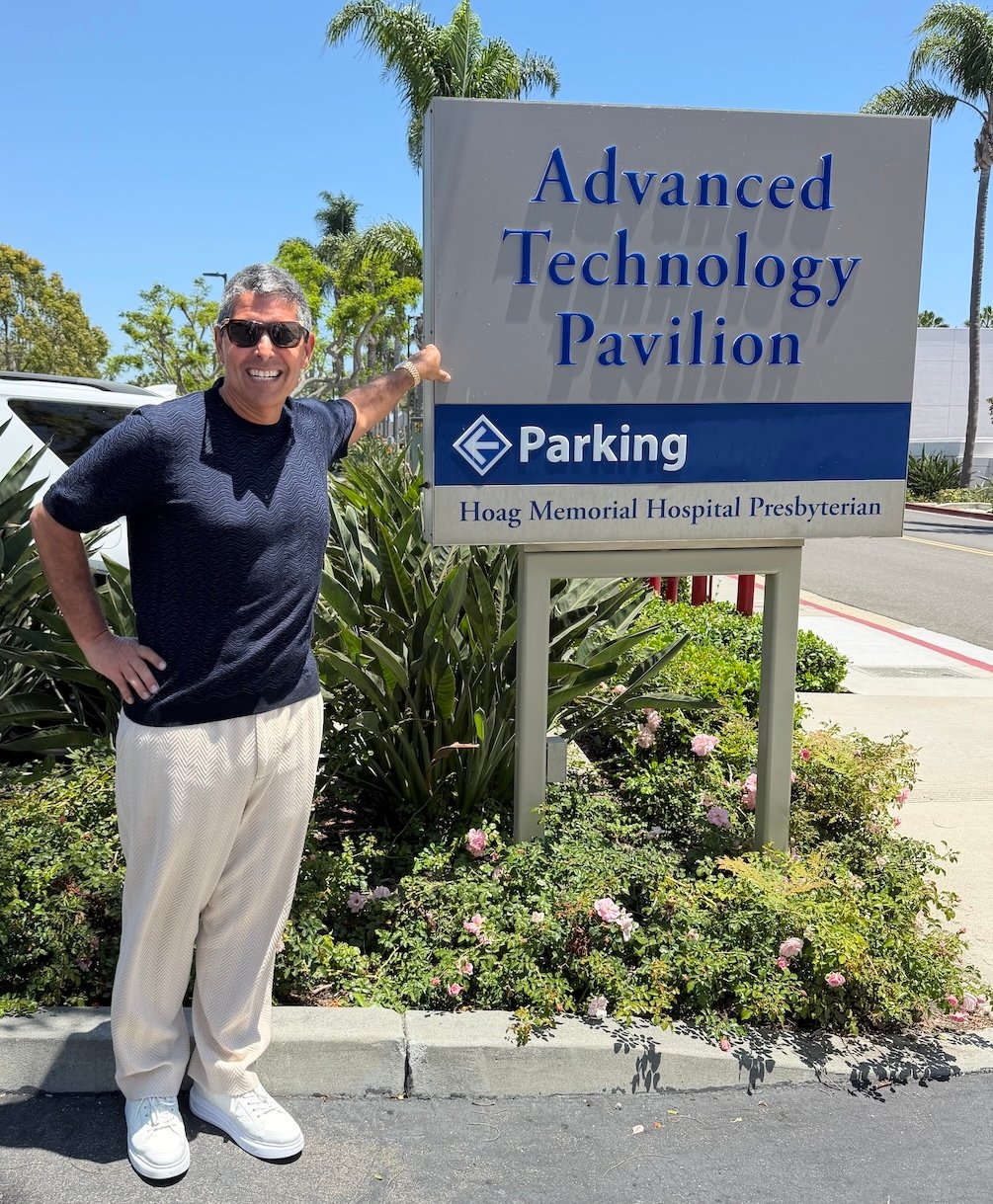
Fortunately, I didn’t get admitted to the hospital. I’m grateful to be writing this update from my home, a couple of days after processing the news that I have a cerebral brain aneurysm. In this article, I’ll share:
What I learned about living with a brain aneurysm,
What the experience has taught me, and
How this change will influence my career and commitment to the mission ahead.
My Sister’s Experience
A few months ago, doctors diagnosed my younger sister, Christina, with a giant brain aneurysm. Her condition was extremely serious. Within hours of undergoing an MRI scan, a radiologist called and urged her to report to a hospital immediately. The scan revealed a life-threatening aneurysm. Christina was fit and seemed to be in perfect health, so the sudden news shocked our family. Over the next few days, she underwent four brain surgeries. During one of those procedures, she suffered a stroke.
Our family has been doing everything possible to support her through what will likely be a long recovery. My wife, Carole, is a nurse, and her experience has helped us better understand the medical challenges my sister faces. Carole and I relocated to Miami so that we could assist my sister while I simultaneously worked to advance the mission of our nonprofit.
Supporting my sister is important because my family stood beside me throughout the 26 years I served in prison. Both of my sisters carried burdens with me, encouraged me, and never gave up on me. With Christina confronting this enormous health challenge, Carole and I wanted to be present for her in every way we could.
Because aneurysms can sometimes run in families, the surgeon who treated Christina recommended that I schedule an MRI scan of my brain. I followed that recommendation.
The Diagnosis
Last week, a doctor surprised me when he called to share news that my MRI scan revealed that I had a brain aneurysm. Based on what she saw from the MRI scan, she placed an “urgent” order for me to visit with a neuro radiologist. The specialist would talk with me about options for treatment.
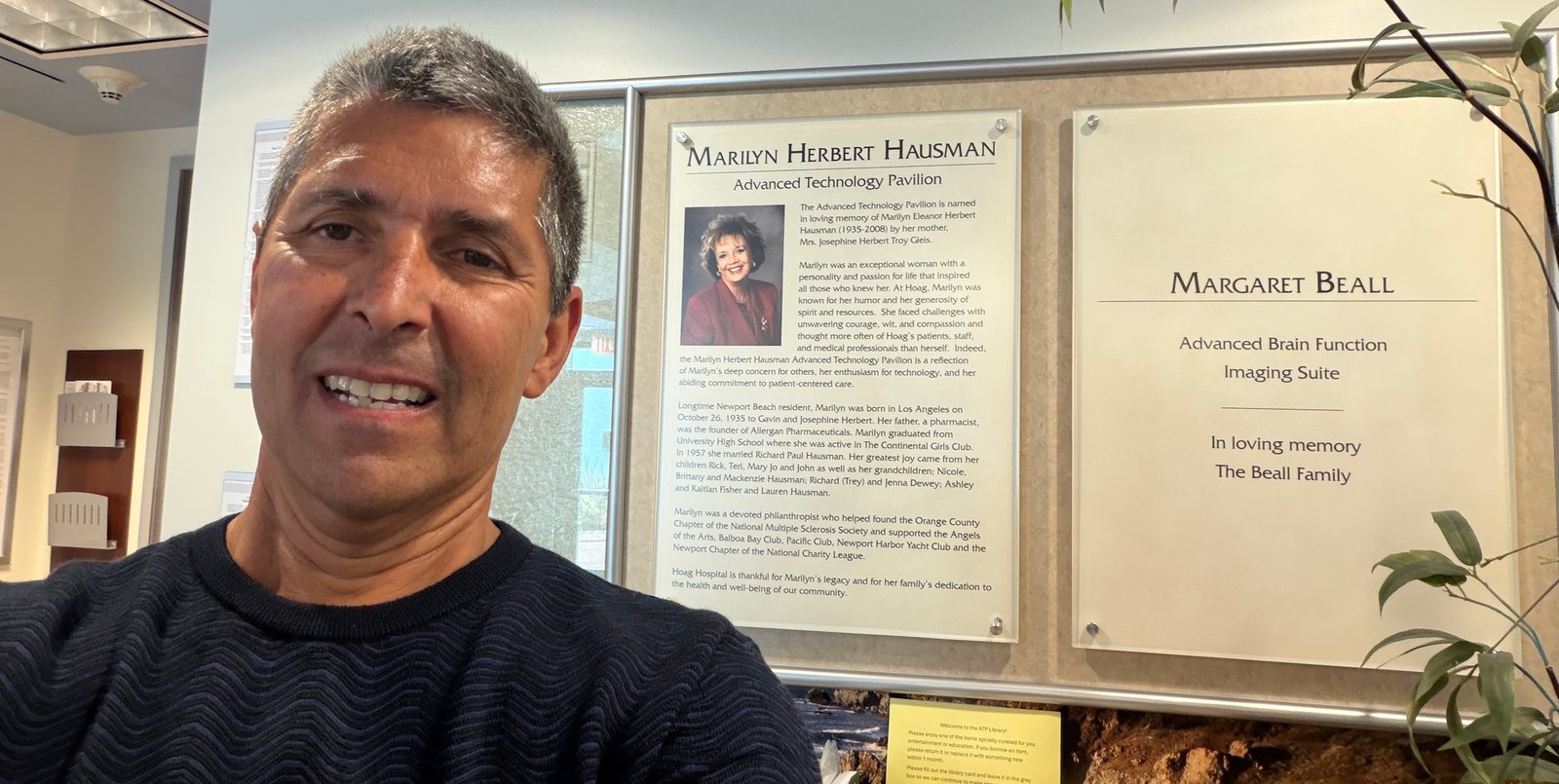
While waiting for that appointment, I accepted that my life was about to change. Since my sister had required multiple surgeries, I woke up on the morning of my appointment believing that the doctor may admit me to the hospital to begin surgery, as had happened with my sister. When Carole and I went to the hospital, the specialist spent time showing us images of my brain on a computer screen and he carefully explained my options.
Considering the Options
Fortunately, my brain aneurysm hadn’t grown to be as large as my sister’s. For that reason, the specialist said I had options to consider. One option would require a neuro surgeon to open my skull and perform an operation to remove the aneurysm. The other would involve a less invasive procedure that would allow his team to gather more detailed information than was available from the MRI scan.
He warned that either procedure would come with the risk of a stroke.
The doctor asked questions about my lifestyle, including whether I drank alcohol, smoked cigarettes, or used drugs. I told him that I did not. He asked about the level of stress in my life. I told him that I didn’t feel as if I had much stress. Since my aneurysm wasn’t the size of my sister’s, he said that I could take a more conservative option and wait for six months. If I chose that option, he advised that I should:
Keep my blood pressure under control.
Avoid smoking.
Avoid alcohol.
Reduce stress.
Pay attention to my overall health.
Carole said that my intense focus on work could sometimes raise my stress levels even if I didn’t notice. She is a nurse and she knows my habits, so I respect her advice. Carole now advises me on how to structure my day.
Taking the Conservative Approach
Carole and I chose to follow the physician’s conservative recommendation. In six months, I will undergo another MRI scan. The doctors will compare images from the new scan with the images from the initial scan. They will then be able to determine whether the aneurysm has changed or grown. Based on those findings, we would then reevaluate. If nothing changed, he said that he would likely recommend that I wait another 18 months before conducting additional imaging. That would allow the medical team to evaluate the aneurysm over a two-year period.
If circumstances change, or if the aneurysm grows, we will reassess the options.
Gratitude and Perspective
I did not tell many people about the aneurysm before the appointment because I did not know what the physician would recommend. I did not know whether I would be admitted to the hospital for surgery, or whether I would have the same outcome as my sister. Now I have more clarity, and I am coming to terms with the reality that I have this unexpected medical condition that could potentially threaten my life.
I am grateful that God has given Carole and me many blessings, including the opportunity to work on fulfilling projects that bring meaning to my life. I am grateful for Carole, for her knowledge, her guidance, and her constant support. I am grateful for my family, and I remain committed to supporting my sister through her recovery.
I am also grateful for the people who support our work at Prison Professors.
Experiences like this bring perspective. They remind me that time is precious. They remind me to take care of my health, listen to the people who love me, and remain focused on work that contributes to something larger than myself.
I believe I still have a great deal of work to do in this world, and I will continue doing so to the best of my ability.
I intend to continue building educational resources that we will give away for free to people going through various stages of the criminal justice system. I intend to continue advocating for reforms that incentivize all people to:
Work toward reconciliation,
Prepare for success, and
Earn higher levels of liberty.
At the same time, I will follow my physician’s recommendations. I will monitor my blood pressure, follow Carole’s guidance on structuring my days to reduce stress, and return for follow-up imaging in six months.
This experience has not diminished my commitment to the mission. It has strengthened my appreciation for the opportunity to continue.
Thank you to everyone who has supported our family, supported me, and supported the work we are building through Prison Professors.