Basic Education on Crypto
Descubra cómo se producen los ataques de apropiación de cuentas y los pasos para proteger su criptomoneda.

Acceso no autorizado a sus cuentas en línea, poniendo en riesgo sus activos digitales.
Un método para engañar a las personas para que faciliten información personal.
Añade una segunda capa de seguridad a tus cuentas, dificultando el acceso no autorizado.
Almacenamiento seguro fuera de línea para sus activos digitales, protegiéndolos de las amenazas en línea.
Un ataque de apropiación de cuenta, a menudo denominado ATO, se produce cuando alguien obtiene acceso no autorizado a tus cuentas en línea. En el ámbito de las criptomonedas, un ataque de este tipo podría significar que un hacker acceda a tu monedero digital y, potencialmente, robe tus fondos. Estos ataques son cada vez más frecuentes, pero comprenderlos puede ayudarte a protegerte a ti mismo y a tus activos.
Los ataques de apropiación de cuentas pueden producirse a través de varios métodos. Estas son algunas de las técnicas más comunes utilizadas por los atacantes:
El phishing consiste en engañarte para que reveles tu información personal, como contraseñas o números de tarjetas de crédito. Los atacantes pueden enviar correos electrónicos que parecen provenir de una fuente de confianza, instándote a hacer clic en un enlace o a proporcionar información confidencial.
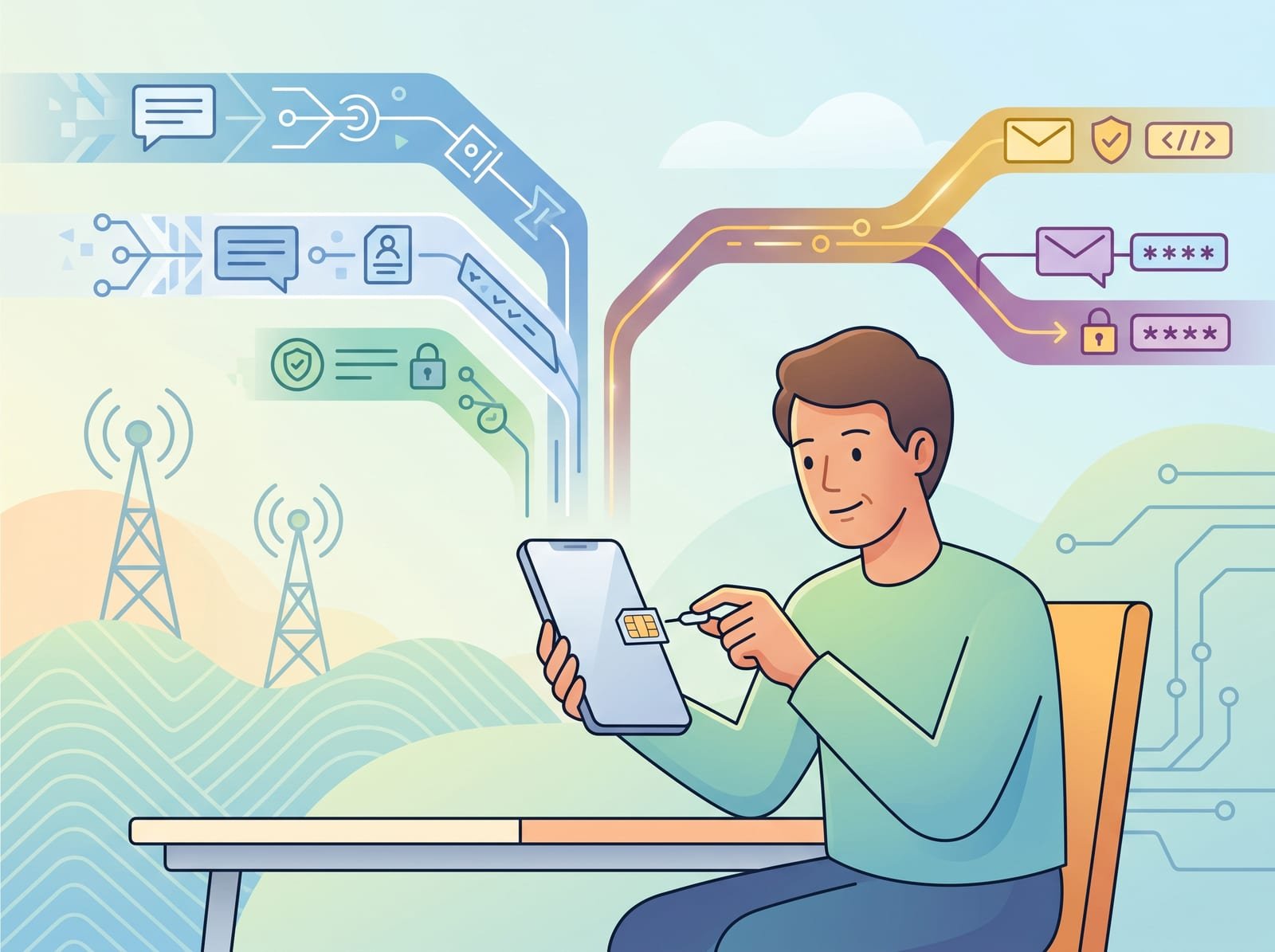
El intercambio de SIM es una táctica en la que un hacker convence a su operador de telefonía móvil para que active su número de teléfono en una nueva tarjeta SIM que ellos controlan. Esto les permite interceptar mensajes de texto y llamadas dirigidas a usted, incluidos los códigos de verificación para la autenticación de dos factores. Esto puede comprometer la seguridad de su cuenta.
Las filtraciones de datos se producen cuando los hackers roban grandes cantidades de datos de las empresas. Si tu información forma parte de una filtración, podría venderse en la dark web, lo que daría a los atacantes los medios para acceder a tus cuentas.
Afortunadamente, hay varias medidas que puedes tomar para proteger tus cuentas de criptomonedas contra los ATO. La implementación de estas medidas puede reducir significativamente el riesgo:
La autenticación de dos factores (2FA) añade una capa adicional de seguridad al requerir una segunda forma de verificación además de tu contraseña. Esta puede ser un código enviado a tu teléfono o una llave de hardware. Aunque no es infalible, la 2FA dificulta que los atacantes accedan a tus cuentas.
Considera la posibilidad de utilizar tanto carteras calientes como frías para almacenar tus activos digitales. Las carteras frías, que no están conectadas a Internet, ofrecen una sólida protección contra los ataques en línea. Aunque pueden resultar menos prácticas para operaciones rápidas, ayudan a mantener tus fondos a salvo de los hackers.

Aprende a reconocer los intentos de phishing. Desconfía de los correos electrónicos no solicitados que te pidan información personal. Verifica siempre la fuente antes de hacer clic en enlaces o descargar archivos adjuntos.
Utiliza contraseñas únicas y complejas para cada una de tus cuentas. Un gestor de contraseñas puede ayudarte a llevar un control de ellas. Evita reutilizar contraseñas en diferentes sitios web para minimizar el riesgo de ataques de suplantación de identidad (ATO).
Esta lección ha sido reescrita por Prison Professors con fines educativos, inspirándose en Binance Academy. El artículo original sigue siendo propiedad de sus autores.
Aviso legal: Este material se ha elaborado únicamente con fines informativos generales y NO debe: (1) considerarse una recomendación o un consejo individualizado; ni (2) servir de base para ninguna actividad de inversión. Toda la información se proporciona «tal cual» y está sujeta a cambios sin previo aviso; no ofrecemos ninguna garantía de ningún tipo, expresa o implícita, en cuanto a la exactitud, validez, fiabilidad, disponibilidad o integridad de dicha información. Prison Professors Charitable Corporation NO ofrece asesoramiento en materia de inversiones, legal o fiscal de ninguna manera ni forma. La responsabilidad de cualquier decisión de inversión recae exclusivamente en usted, tras analizar todos los posibles factores de riesgo y ejercer su propio criterio independiente. Prison Professors Charitable Corporation no se hace responsable de ninguna consecuencia derivada de ello.
Después de leer esta lección, reflexiona sobre las siguientes preguntas. Escribe al menos de dos a cuatro párrafos para cada pregunta. Puedes utilizar tus respuestas como anotaciones en tu diario o como informes de la lección en tu perfil de Profesores de Prisiones.