Basic Education on Crypto
Learn about blockchain nodes and their vital role in decentralized networks.

Blockchain nodes enable a decentralized network, removing the need for a central authority.
Nodes ensure blockchain security by verifying transactions and maintaining a consensus mechanism.
Different types of nodes, such as full, light, and specialized nodes, serve various functions in blockchain networks.
Blockchain technology is the foundation upon which cryptocurrencies are built. It acts as a digital ledger that records all transactions in a secure and transparent manner. Unlike traditional financial systems where a central authority manages the records, blockchains operate without a single controlling entity. This decentralization is achieved through a network of computers known as nodes.
A node, in simple terms, is a connection point within a network. In the context of blockchain, nodes are vital for ensuring the integrity and security of the entire system. They play a crucial role in verifying and recording every transaction that occurs on the blockchain.
Nodes are indispensable for the operation of a blockchain. They store and share the blockchain's transaction history across the network. When a new transaction takes place, it is broadcast to all nodes. These nodes collaborate to verify and add the transaction to the blockchain.
Each node holds a copy of the entire blockchain or at least the most recent part of it. This redundancy ensures that the blockchain remains secure and operational even if some nodes fail or are compromised. The network's consensus mechanism, which involves nodes, helps prevent fraud and maintains trust.
There are various types of crypto nodes, each serving unique functions within a blockchain network. Understanding these differences can help you grasp how blockchain technology operates.
Full nodes are the backbone of a blockchain. They store the complete history of the blockchain, validate transactions, and ensure the network's rules are followed. Full nodes can be categorized into archival and pruned nodes. Archival nodes keep a comprehensive record of all transactions, while pruned nodes delete old data to save space, retaining only the most recent transactions.
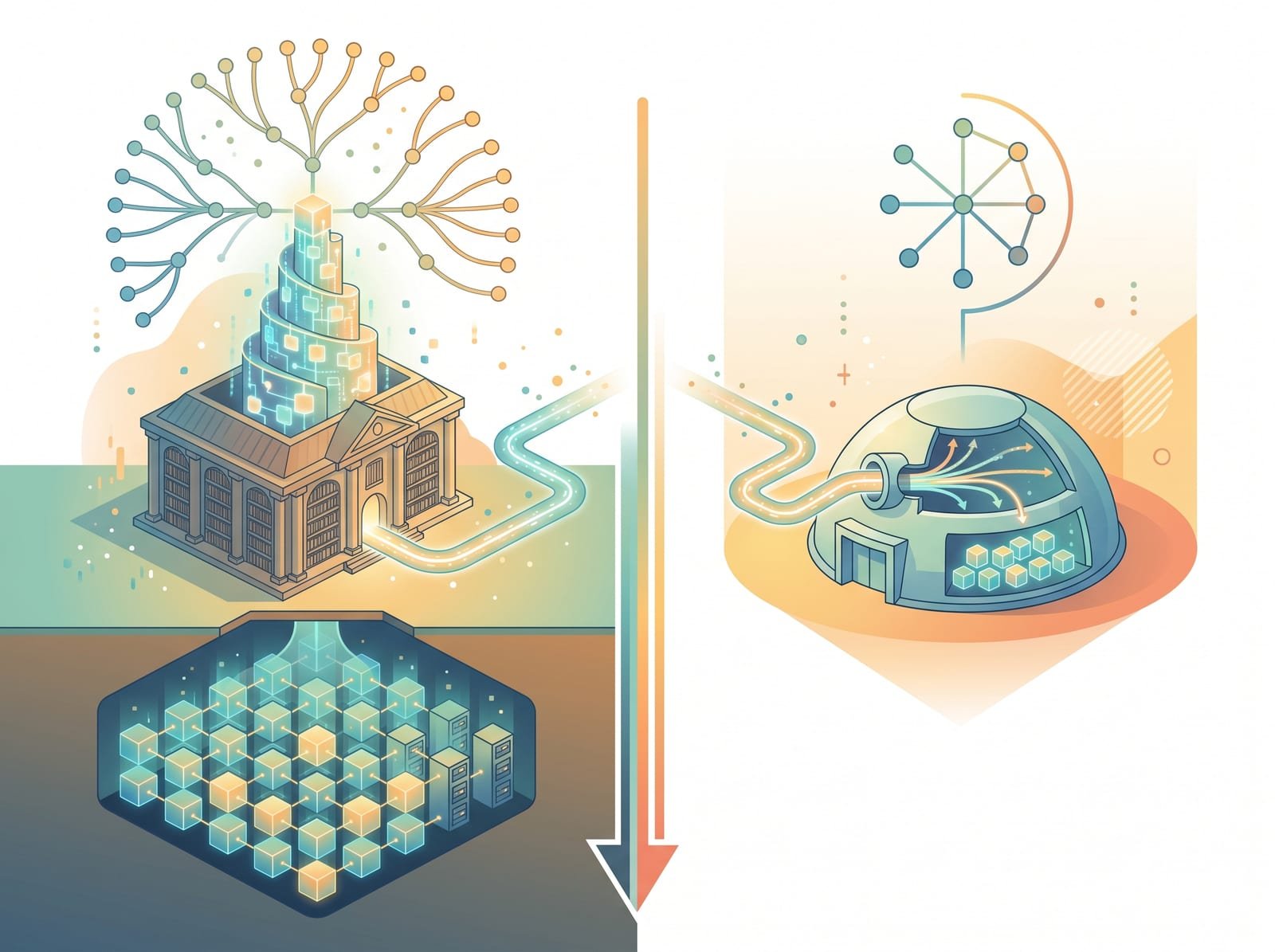
Non-full nodes, such as light nodes and lightning nodes, do not store the entire blockchain. Light nodes rely on full nodes for transaction data, making them more lightweight and faster. Lightning nodes facilitate off-chain transactions, enhancing speed and efficiency for microtransactions.
Some nodes perform specialized functions. For example, authority nodes manage permissions in partially decentralized networks, while miner nodes, used in proof-of-work systems, solve complex puzzles to validate transactions. Staking nodes, common in proof-of-stake systems, involve participants locking their crypto holdings to help validate transactions and maintain the network.

Nodes are crucial for maintaining blockchain security and transparency. They enable decentralization, ensuring no single entity can control the network. This makes blockchains resistant to fraud and tampering, providing a reliable system for digital transactions.
Understanding nodes and their roles can aid in discussions about digital currencies and emerging technologies. As blockchain technology continues to evolve, knowledge of these foundational elements becomes increasingly valuable.
This lesson was rewritten by Prison Professors for educational use, inspired by Binance Academy. The original article remains the property of its authors.
Legal disclaimer: This material has been prepared for general informational purposes only and should NOT be: (1) considered an individualized recommendation or advice; and (2) relied upon for any investment activities. All information is provided on an as-is basis and is subject to change without notice, we make no representation or warranty of any kind, express or implied, regarding the accuracy, validity, reliability, availability or completeness of any such information. Prison Professors Charitable Corporation does NOT provide investment, legal, or tax advice in any manner or form. The ownership of any investment decision(s) exclusively vests with you after analyzing all possible risk factors and by exercising your own independent discretion. Prison Professors Charitable Corporation shall not be liable for any consequences thereof.
After reading this lesson, reflect on the following questions. Write at least two to four paragraphs for each prompt. You may use your responses as journal entries or lesson reports on your Prison Professors profile.