Basic Education on Crypto
Explore las estafas en criptomonedas, sus tipos y medidas de protección.

La estafa consiste en que los promotores abandonan un proyecto y desaparecen con el dinero de los inversores.
Los tirones de alfombra pueden incluir código malicioso, robo de liquidez, limitación de las órdenes de venta y dumping.
La investigación, el escepticismo y la comprobación de las auditorías son estrategias clave para evitar tirones de orejas.
En el mundo de las criptomonedas, un «rug pull» es una estafa en la que los creadores de un activo digital, como una criptomoneda o un NFT (token no fungible), abandonan repentinamente su proyecto. Esta estrategia de salida consiste en que los creadores desaparecen con el dinero de los inversores, dejándolos con activos sin valor. El término «rug pull» proviene de la idea de que te quiten la alfombra de debajo de los pies, dejándote desequilibrado y perdido.
Los rug pulls son especialmente frecuentes en las finanzas descentralizadas (DeFi) y en los mercados de NFT. Esto se debe en gran medida a que crear activos digitales en estos ámbitos es relativamente fácil y rentable. La promesa de altos rendimientos puede atraer a muchos inversores, lo que lo convierte en un terreno fértil para las estafas. La falta de regulaciones estrictas y de supervisión facilita aún más estas actividades fraudulentas. Sin embargo, es importante recordar que estafas similares han existido mucho antes de las criptomonedas, lo que subraya la necesidad de actuar con cautela y de investigar a fondo cualquier oportunidad de inversión.
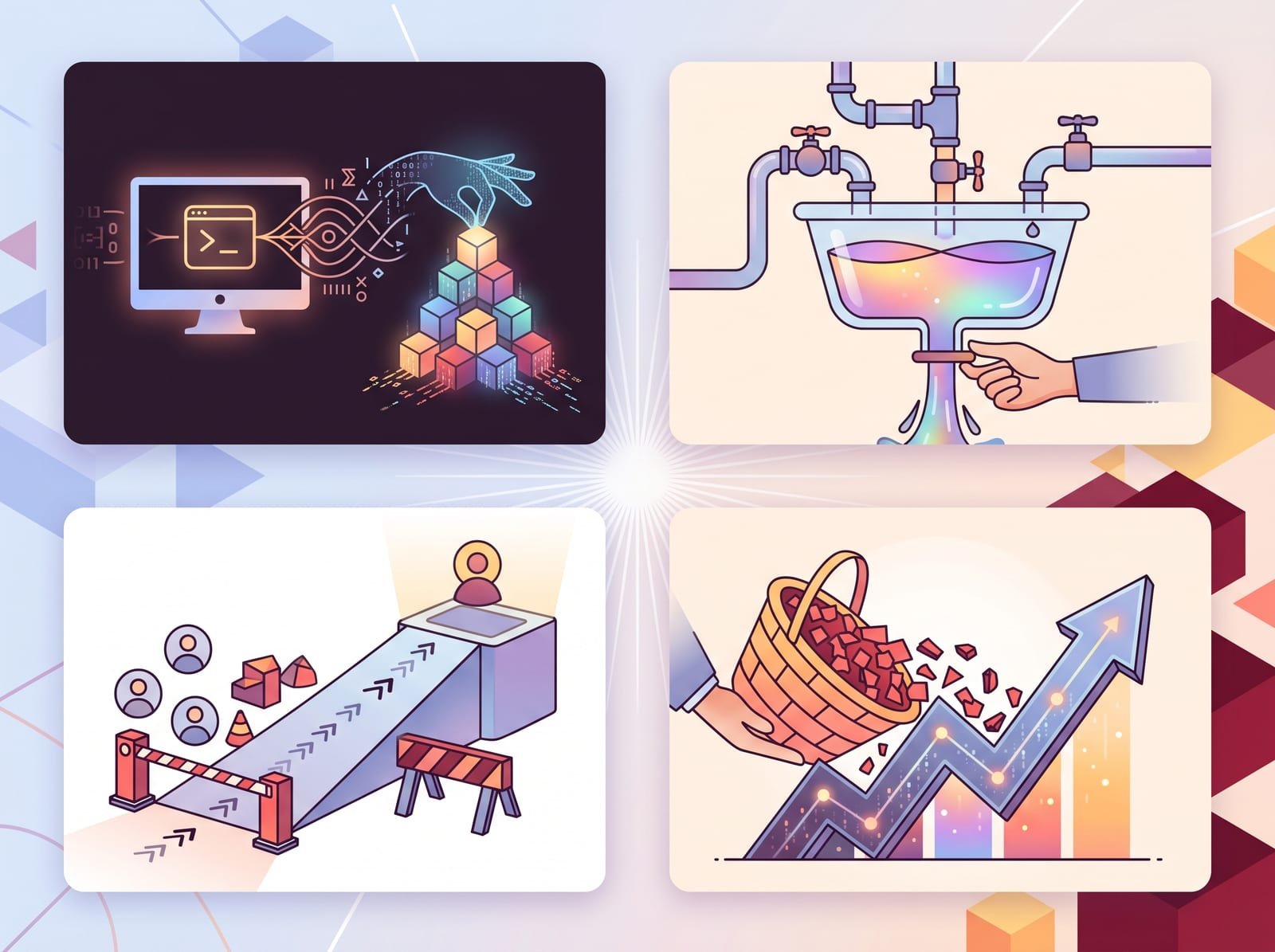
Los «rug pulls» pueden manifestarse de varias formas, cada una con métodos únicos para engañar a los inversores. Comprender estas formas puede ayudarte a identificar señales de alerta y evitar posibles estafas.
Algunos «rug pulls» implican que los desarrolladores incrusten código malicioso en el software del proyecto. Este código puede incluir lagunas ocultas que permiten a los desarrolladores retirar fondos en secreto. Si el código de un proyecto no está abierto a la inspección pública, podría ser una señal de alarma.
En muchos proyectos de criptomonedas, se utilizan fondos de liquidez para facilitar transacciones fluidas. Un «rug pull» puede producirse cuando los desarrolladores vacían estos fondos, provocando el colapso del valor del activo. Esto es habitual en entornos DeFi, donde la liquidez es crucial.
En algunos casos, los desarrolladores restringen la capacidad de vender el activo, reservándose este derecho para sí mismos. Esperan a que el valor del activo suba, venden sus participaciones y dejan a los inversores con tokens sin valor.
También conocido como esquema de «pump-and-dump», consiste en inflar artificialmente el valor de una moneda mediante la creación de expectación, a menudo en las redes sociales. Una vez que el precio alcanza su máximo, los desarrolladores venden sus grandes participaciones, provocando una caída repentina del valor.

Mantenerse informado y ser cauteloso es fundamental para evitar las estafas de «rug pull». A continuación, se ofrecen algunas estrategias para protegerse de forma eficaz.
Antes de invertir, tómese el tiempo necesario para investigar el proyecto, su equipo y su tecnología. Verifique la legitimidad de los desarrolladores y su trayectoria. Desconfíe de los proyectos con creadores anónimos o que utilicen seudónimos, ya que pueden suponer un mayor riesgo.
Aunque los proyectos nuevos puedan parecer atractivos, los ya consolidados suelen tener un historial probado de seguridad y fiabilidad. Esto reduce el riesgo de encontrarse con una estafa de tipo «rug pull».
Si un proyecto promete rendimientos extraordinarios, acérquese con precaución. Los estafadores suelen utilizar este tipo de afirmaciones para atraer rápidamente a los inversores.
Los proyectos legítimos suelen someterse a auditorías realizadas por organizaciones independientes para garantizar que su código es seguro. Busca proyectos que mencionen sus auditorías como señal de credibilidad.
El miedo a perderse algo (FOMO) puede llevar a tomar decisiones impulsivas. Recuerda que, aunque es posible obtener altos rendimientos, estos son poco frecuentes y no deben influir en tus decisiones de inversión.
Esta lección ha sido reescrita por Prison Professors con fines educativos, inspirándose en Binance Academy. El artículo original sigue siendo propiedad de sus autores.
Aviso legal: Este material se ha elaborado únicamente con fines informativos generales y NO debe: (1) considerarse una recomendación o un consejo individualizado; ni (2) servir de base para ninguna actividad de inversión. Toda la información se proporciona «tal cual» y está sujeta a cambios sin previo aviso; no ofrecemos ninguna garantía de ningún tipo, expresa o implícita, en cuanto a la exactitud, validez, fiabilidad, disponibilidad o integridad de dicha información. Prison Professors Charitable Corporation NO ofrece asesoramiento en materia de inversiones, legal o fiscal de ninguna manera ni forma. La responsabilidad de cualquier decisión de inversión recae exclusivamente en usted, tras analizar todos los posibles factores de riesgo y ejercer su propio criterio independiente. Prison Professors Charitable Corporation no se hace responsable de ninguna consecuencia derivada de ello.
Después de leer esta lección, reflexiona sobre las siguientes preguntas. Escribe al menos de dos a cuatro párrafos para cada pregunta. Puedes utilizar tus respuestas como anotaciones en tu diario o como informes de la lección en tu perfil de Profesores de Prisiones.