Bitcoin
Descubra qué es Bitcoin, cómo funciona y su importancia en el mundo de las criptomonedas.

Bitcoin es una moneda digital que permite realizar transacciones en línea sin bancos tradicionales, introducida por Satoshi Nakamoto en 2009.
La cadena de bloques es un libro de contabilidad descentralizado que asegura y registra todas las transacciones de Bitcoin a nivel mundial.
Las transacciones con Bitcoin requieren una dirección pública y una clave privada, lo que acentúa la necesidad de seguridad digital.
La minería de Bitcoin crea nuevas monedas y está limitada a 21 millones para evitar la inflación, algo parecido a lo que ocurre con los metales preciosos.
La volatilidad del precio de Bitcoin plantea riesgos de inversión, aunque ofrece un método de transacción único y descentralizado.
Bitcoin es un tipo de moneda digital conocida como criptomoneda. Permite a las personas realizar transacciones por Internet sin depender de los bancos tradicionales ni de las instituciones financieras. Bitcoin fue introducido en 2009 por un creador anónimo que utilizaba el seudónimo de Satoshi Nakamoto. Como primera criptomoneda, sigue siendo la mayor en términos de valor de mercado.
Bitcoin funciona con una tecnología llamada blockchain. Se trata de un sistema descentralizado que registra de forma segura todas las transacciones. A diferencia del dinero tradicional, Bitcoin no es impreso ni acuñado por los gobiernos. En su lugar, se crea mediante un proceso llamado minería, en el que los ordenadores resuelven complejos problemas matemáticos para generar nuevas monedas.
En el mundo de las criptomonedas, son habituales términos como «monedas» y «tokens». Aunque puedan sonar parecidos, tienen significados distintos. Una criptomoneda como el Bitcoin funciona en su propia cadena de bloques. Por el contrario, un token se construye sobre otra cadena de bloques y puede representar diversos activos o utilidades.
Tanto las monedas como los tokens dependen de una red de ordenadores para funcionar. Esta red es descentralizada, lo que significa que no está controlada por ninguna entidad en particular. Esta descentralización garantiza que la red sea segura y fiable, ya que no depende de ningún ordenador o servidor concreto.
La cadena de bloques es una parte fundamental del funcionamiento de Bitcoin. Imagínatela como un libro de contabilidad digital o un registro que realiza un seguimiento de cada transacción de Bitcoin. Este libro de contabilidad se distribuye entre numerosos ordenadores, conocidos como nodos, en todo el mundo. Cada transacción se agrupa en un bloque, y estos bloques se unen para formar una cadena.
Cada bloque contiene un código único llamado hash, que garantiza la integridad de los datos. Si alguien intentara alterar los datos, habría que cambiar toda la cadena, lo que hace que el sistema sea seguro y a prueba de manipulaciones.
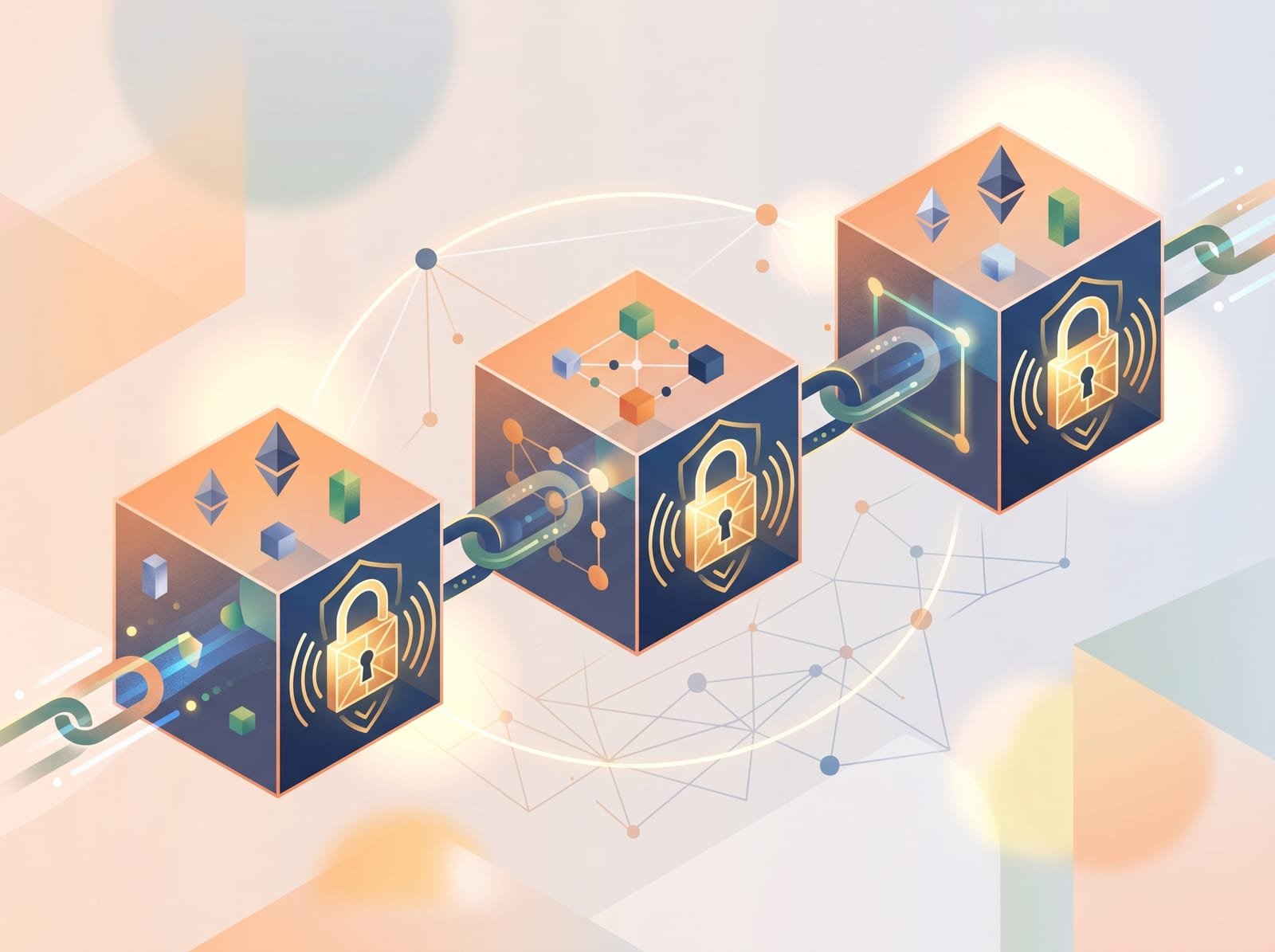
Para utilizar Bitcoin, una persona necesita una dirección de Bitcoin, similar a un número de cuenta. Esta dirección se genera a partir de una clave privada, un número secreto que permite controlar los propios Bitcoin. La dirección pública se puede compartir con otras personas para recibir Bitcoin, mientras que la clave privada debe mantenerse segura para autorizar los gastos.
Mantener a salvo la clave privada es crucial, ya que perderla significa perder el acceso a los bitcoins. Este concepto pone de relieve la importancia de la seguridad digital en la gestión de las criptomonedas.
La minería de Bitcoin consiste en crear nuevos Bitcoins resolviendo complejos rompecabezas matemáticos. Los mineros utilizan potentes ordenadores para realizar este trabajo y, a cambio, reciben una recompensa en Bitcoin. Este sistema se conoce como «prueba de trabajo».
El bitcoin tiene un límite de suministro fijo de 21 millones de monedas. Esta escasez tiene como objetivo evitar la inflación, de forma similar a como los metales preciosos, como el oro, conservan su valor debido a su oferta limitada. A día de hoy, la mayor parte de los 21 millones de bitcoins ya se han minado.
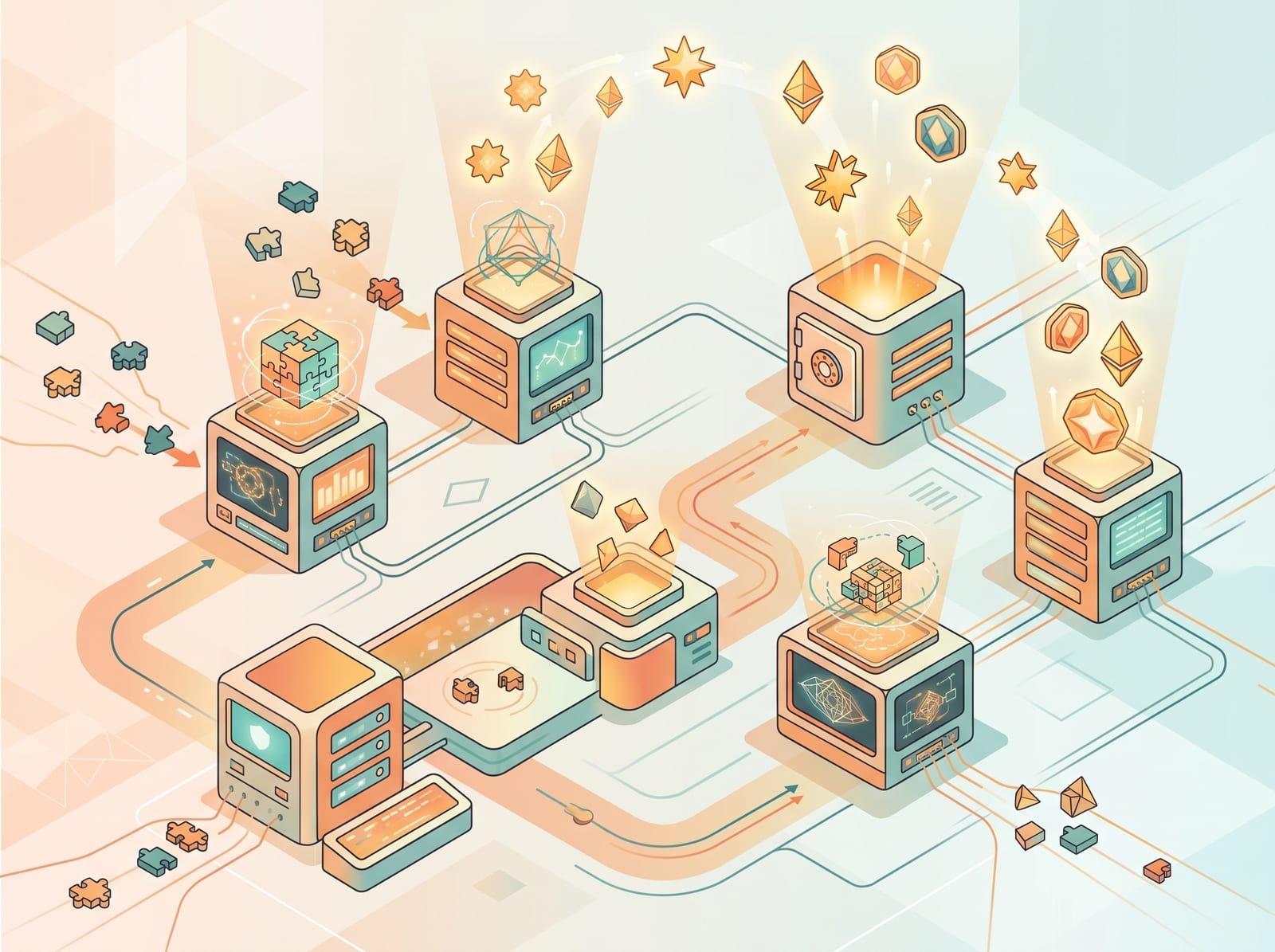
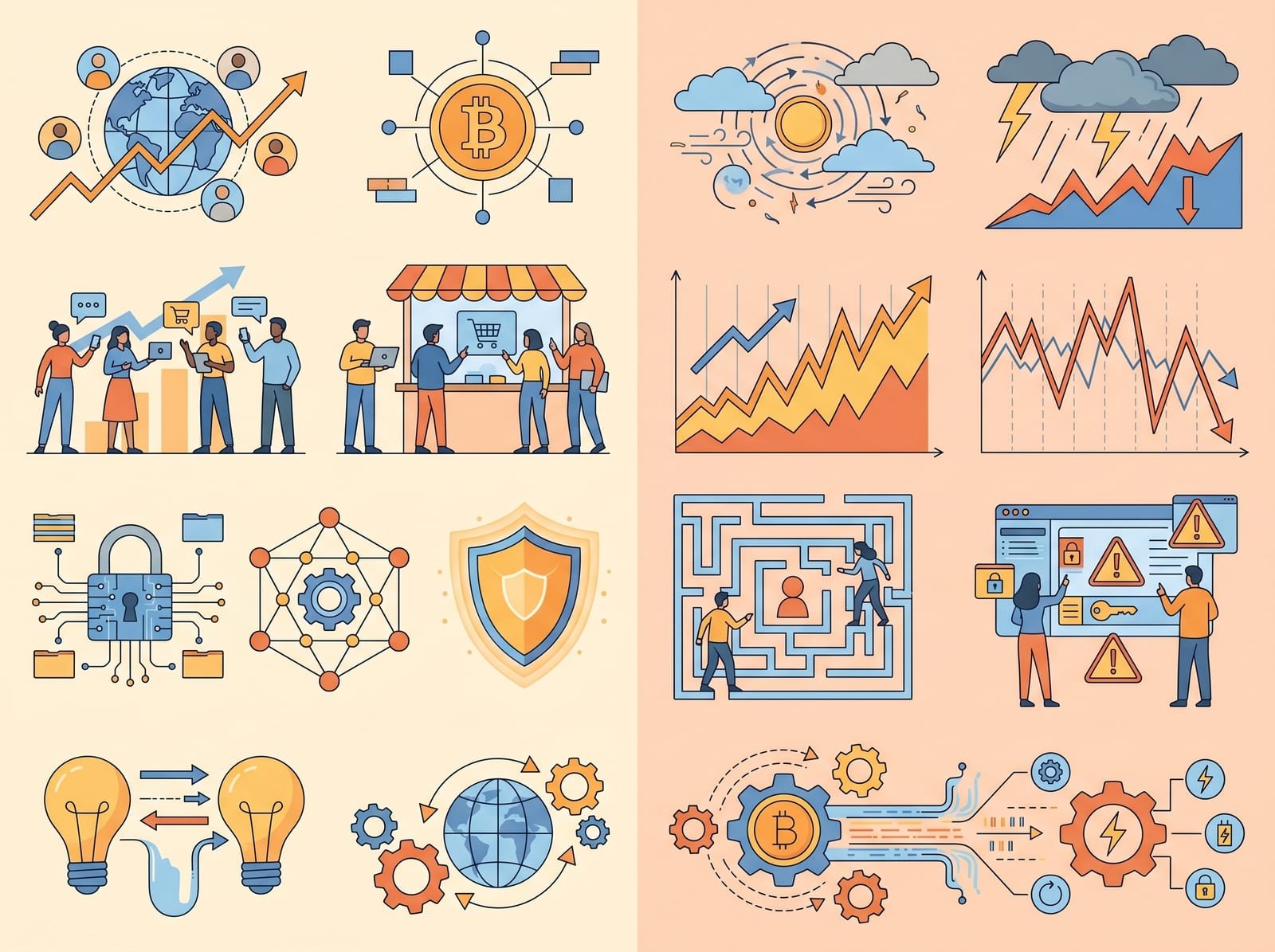
El Bitcoin ofrece varias ventajas. Es ampliamente reconocido y aceptado como moneda digital, lo que facilita su uso en transacciones en comparación con otras criptomonedas. Las transacciones con Bitcoin son transparentes y seguras, sin que ninguna autoridad central las supervise.
Sin embargo, el bitcoin también tiene sus inconvenientes. Su precio es muy volátil, lo que significa que puede cambiar rápidamente, lo que supone un riesgo para los inversores. Las transacciones con bitcoins son irreversibles y no cuentan con protección para el comprador, a diferencia de los métodos de pago tradicionales. Aunque el bitcoin está ganando aceptación, todavía no se utiliza tan comúnmente como el dinero convencional para las compras diarias.
Esta lección ha sido reescrita por Prison Professors con fines educativos, inspirándose en Binance Academy. El artículo original sigue siendo propiedad de sus autores.
Aviso legal: Este material se ha elaborado únicamente con fines informativos generales y NO debe: (1) considerarse una recomendación o un consejo individualizado; ni (2) servir de base para ninguna actividad de inversión. Toda la información se proporciona «tal cual» y está sujeta a cambios sin previo aviso; no ofrecemos ninguna garantía de ningún tipo, expresa o implícita, en cuanto a la exactitud, validez, fiabilidad, disponibilidad o integridad de dicha información. Prison Professors Charitable Corporation NO proporciona asesoramiento de inversión, jurídico o fiscal de ninguna manera ni forma. La responsabilidad de cualquier decisión de inversión recae exclusivamente en usted, tras analizar todos los posibles factores de riesgo y ejercer su propio criterio independiente. Prison Professors Charitable Corporation no se hace responsable de ninguna consecuencia derivada de ello.
Después de leer esta lección, reflexiona sobre las siguientes preguntas. Escribe al menos de dos a cuatro párrafos para cada pregunta. Puedes utilizar tus respuestas como anotaciones en tu diario o como informes de la lección en tu perfil de Profesores de Prisiones.