Bitcoin
Learn how to explain Bitcoin to children, teenagers, adults, and seniors in simple terms.

Bitcoin is a digital currency that exists only online and operates on a technology called blockchain.
Use simple language and examples like invisible money living inside devices.
Teenagers can relate Bitcoin to online activities and understand its limited supply.
Bitcoin offers a decentralized alternative to traditional banking, with a fixed supply.
Bitcoin can be likened to digital cash, recorded on a secure and transparent ledger.
Bitcoin is a form of digital currency, meaning it exists only in electronic form and not as physical coins or bills. It operates on a technology called blockchain, which acts as a digital ledger, keeping a secure and transparent record of all transactions. Understanding Bitcoin can be complex, but by breaking it down into simple terms, we can help people of different ages grasp its basic concepts.

When explaining Bitcoin to children, it's helpful to use simple language and relatable examples. Imagine Bitcoin as a special kind of money that you can't touch or see. Instead of using coins or bills, it lives inside a computer. When you want to buy a toy or a treat, you usually use cash or a card. With Bitcoin, you use a phone or a computer to pay. It's like having invisible money that moves around inside your devices.
Teenagers are often tech-savvy, which makes explaining Bitcoin a bit easier. Bitcoin is a digital currency that operates over the internet using blockchain technology. This blockchain is like a giant, shared notebook where everyone can see and verify transactions. No single person or company controls Bitcoin. Instead, people called miners use computers to help keep the network running. They solve complex puzzles to add new transactions to the blockchain and earn a small reward for their work. There are only 21 million Bitcoins, making it scarce and potentially valuable. Teenagers can use Bitcoin to buy things online, send money, or even save it, all without needing a bank.

For adults, especially those familiar with financial systems, Bitcoin represents a decentralized network that offers an alternative to traditional banking. It runs on a blockchain, maintained by a global network of miners. These miners record every transaction in a way that cannot be altered, ensuring transparency and security. Bitcoin is not controlled by any government or organization, making it resistant to censorship and inflation. Its limited supply of 21 million Bitcoins adds to its scarcity, potentially increasing its value over time. People use Bitcoin for various purposes, including e-commerce, investment, and as a store of value.
When explaining Bitcoin to seniors, drawing parallels to familiar concepts can be helpful. Bitcoin is like the digital version of cash, stored electronically rather than in a wallet. Just as you use a credit card to pay for things without handling cash, Bitcoin allows you to make purchases or send money without needing physical currency. All Bitcoin transactions are recorded on a blockchain, a digital book that keeps everything organized. Miners help maintain this system, similar to bookkeepers, ensuring every transaction is accurate and secure. This digital money can be transferred worldwide quickly and often with lower fees than traditional bank transfers.
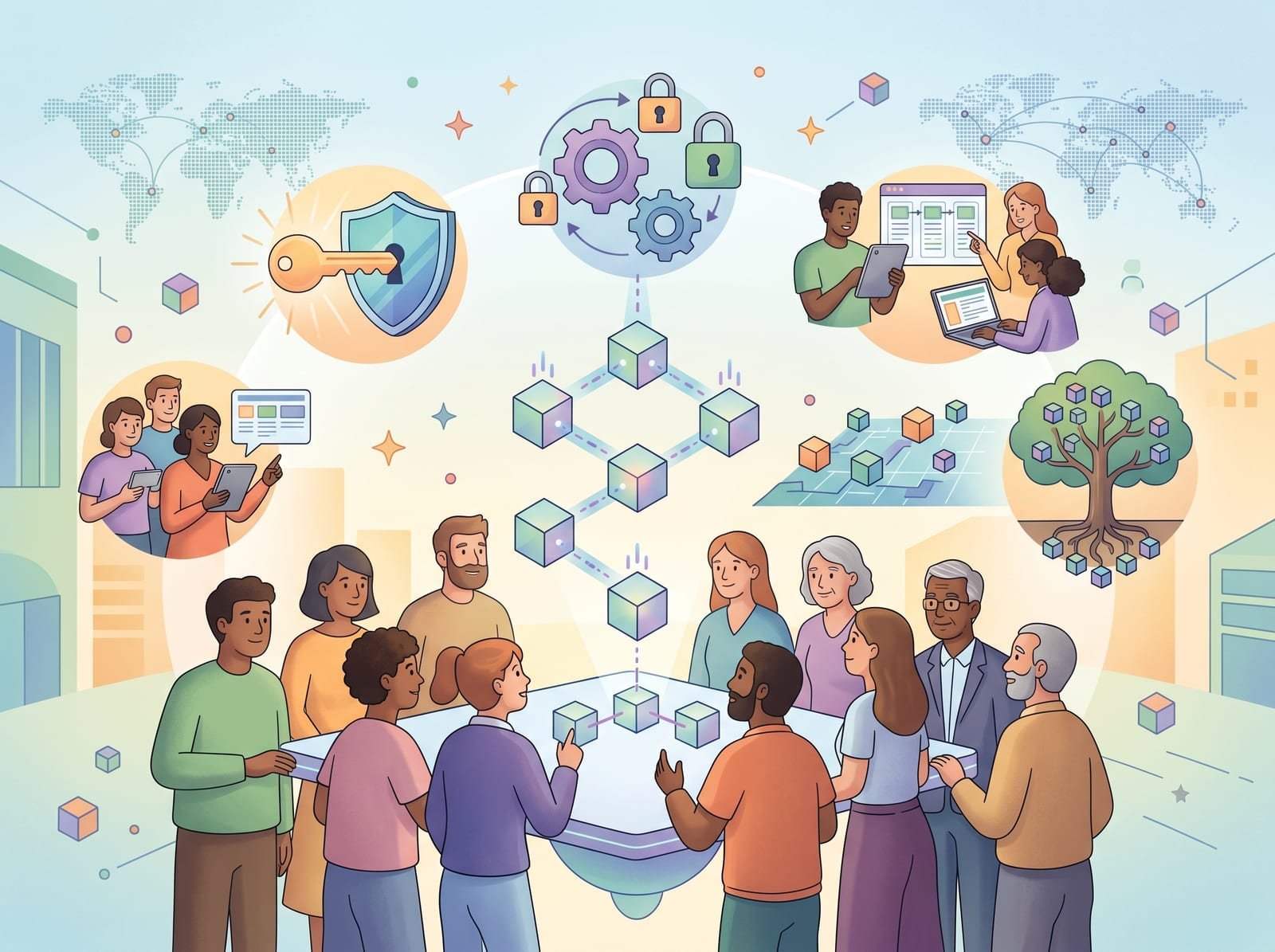
Bitcoin is a fascinating and complex topic, but breaking it down into simple explanations can make it accessible to everyone, from children to seniors. Understanding its basic principles can help prepare you for future discussions about digital currencies and their role in the financial world.
This lesson was rewritten by Prison Professors for educational use, inspired by Binance Academy. The original article remains the property of its authors.
Legal disclaimer: This material has been prepared for general informational purposes only and should NOT be: (1) considered an individualized recommendation or advice; and (2) relied upon for any investment activities. All information is provided on an as-is basis and is subject to change without notice, we make no representation or warranty of any kind, express or implied, regarding the accuracy, validity, reliability, availability or completeness of any such information. Prison Professors Charitable Corporation does NOT provide investment, legal, or tax advice in any manner or form. The ownership of any investment decision(s) exclusively vests with you after analyzing all possible risk factors and by exercising your own independent discretion. Prison Professors Charitable Corporation shall not be liable for any consequences thereof.
After reading this lesson, reflect on the following questions. Write at least two to four paragraphs for each prompt. You may use your responses as journal entries or lesson reports on your Prison Professors profile.