Basic Education on Crypto
Learn about asset classes and their significance in financial markets for better investment decisions.

Asset classes are groups of investments with similar characteristics and market behaviors.
Traditional asset classes include money markets, bonds, stocks, and real estate.
Digital assets, such as cryptocurrencies, represent a new and evolving investment category.
Diversification is the practice of spreading investments across various asset classes to manage risk.
In the realm of finance, an asset class refers to a group of investments that share similar characteristics and behave in a comparable manner in the marketplace. Understanding these categories is vital for anyone aiming to build a diverse investment portfolio, as it helps in managing risk. By distributing investments across various asset classes, individuals can potentially safeguard against market volatility.
Asset classes are typically grouped based on their defining features and performance in financial markets. Each class presents unique risks and opportunities, making a thorough understanding crucial for effective financial planning.
Traditionally recognized asset classes include money market instruments, fixed income, equities, and real estate. These have been utilized for investment purposes for a long time.
Money market instruments and cash equivalents are known for their high liquidity, meaning they can be easily and quickly converted into cash. This category includes treasury bills, certificates of deposit (CDs), and commercial papers. These investments are considered low-risk and are often used for managing short-term financial needs.
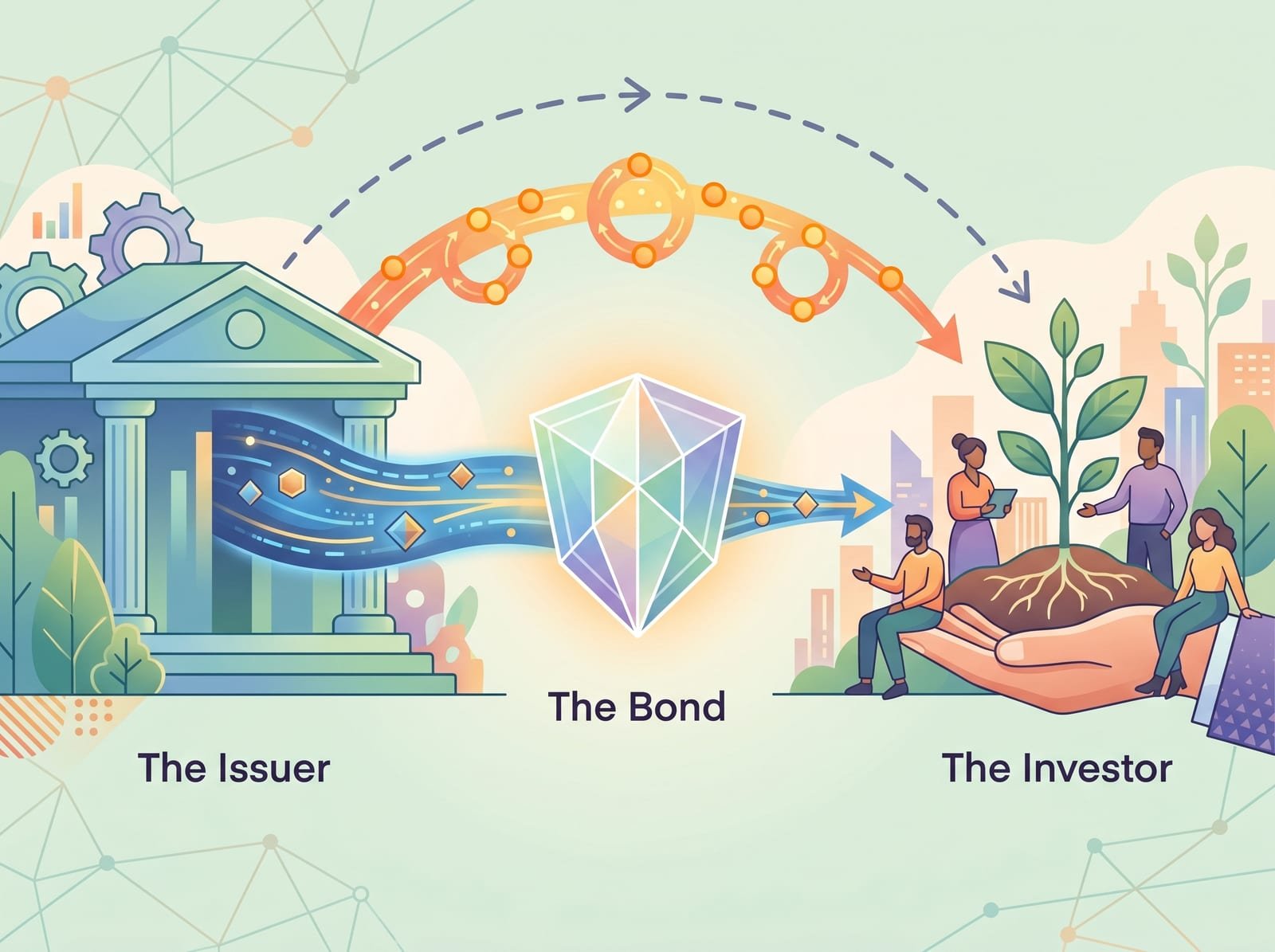
Fixed income investments, such as bonds, represent debt instruments issued by governments or corporations. When investors purchase bonds, they are essentially lending money to the issuer in exchange for regular interest payments and the return of the principal amount when the bond matures. Although generally safer than stocks, bonds carry risks, particularly if the issuer defaults on the debt.
Equities, or stocks, represent ownership in a company. Investors buy shares with the hope that the company's value will increase, allowing them to sell their shares at a higher price in the future. Stocks may also provide dividends, which are a portion of the company's profits. The stock market is known for its volatility, meaning prices can fluctuate widely based on factors such as company performance and broader economic conditions.
This asset class includes physical properties like land and buildings, as well as tangible goods such as commodities. Real estate investments can generate rental income and may appreciate over time. However, they require significant capital and are susceptible to market conditions and location-specific factors.
Recently, digital assets have emerged as a new asset class. This includes cryptocurrencies like Bitcoin and Ethereum, which are based on blockchain technology. Digital assets are traded on both centralized and decentralized platforms, presenting new opportunities and risks. Unlike traditional asset classes, digital assets are relatively new and continue to evolve, often displaying high volatility influenced by technological advancements, regulatory changes, and market sentiment.

Diversification involves spreading investments across different asset classes to reduce risk. By doing so, investors can protect themselves against the poor performance of a single asset or market sector. A well-diversified portfolio balances risk and return according to the investor's financial goals and risk tolerance.
Understanding the characteristics and behaviors of each asset class is essential for making informed investment decisions. While no investment is entirely risk-free, diversification can help manage potential losses and improve the chances of achieving financial objectives.
This lesson was rewritten by Prison Professors for educational use, inspired by Binance Academy. The original article remains the property of its authors.
Legal disclaimer: This material has been prepared for general informational purposes only and should NOT be: (1) considered an individualized recommendation or advice; and (2) relied upon for any investment activities. All information is provided on an as-is basis and is subject to change without notice, we make no representation or warranty of any kind, express or implied, regarding the accuracy, validity, reliability, availability or completeness of any such information. Prison Professors Charitable Corporation does NOT provide investment, legal, or tax advice in any manner or form. The ownership of any investment decision(s) exclusively vests with you after analyzing all possible risk factors and by exercising your own independent discretion. Prison Professors Charitable Corporation shall not be liable for any consequences thereof.
After reading this lesson, reflect on the following questions. Write at least two to four paragraphs for each prompt. You may use your responses as journal entries or lesson reports on your Prison Professors profile.