Basic Education on Crypto
Learn about decentralized finance (DeFi), its origins, key features, applications, and risks.

DeFi offers financial services without traditional intermediaries, using blockchain technology.
A distributed ledger technology enabling secure, transparent transactions.
Allows seamless movement of assets and data across DeFi platforms.
Includes technical, security, and regulatory challenges that require careful consideration.
Decentralized finance, or DeFi, represents a new wave in the financial sector, offering alternatives to traditional banking systems. Unlike conventional finance, which is built on centralized institutions like banks, DeFi uses blockchain technology to create financial products and services that operate without intermediaries. This innovation aims to make financial systems more open, accessible, and transparent. As interest grows, DeFi has become a lively ecosystem of cutting-edge applications.
This lesson will delve into what DeFi is, its origins, and the various projects that define this rapidly evolving space.
The DeFi movement began gaining traction around 2017, driven by advancements in blockchain technology and the rise of cryptocurrencies. Blockchain is a type of distributed ledger technology that allows multiple parties to access a shared database. Cryptocurrencies, such as Bitcoin and Ethereum, are digital currencies that operate on blockchain technology.
DeFi emerged as developers sought to create financial applications independent of traditional institutions. Early projects like MakerDAO, Compound, and Kyber Network laid the foundation for a broad range of decentralized financial services.
DeFi applications stand out due to certain principles that differentiate them from traditional finance. These include:

DeFi encompasses a variety of applications and asset types, each serving different financial needs:
Cryptocurrencies: These are digital currencies, like Bitcoin, that operate on blockchain technology.
Decentralized Lending: Lending platforms in DeFi allow users to lend their digital assets to others in exchange for interest. These platforms use smart contracts, which are self-executing contracts with the terms of the agreement written into code, to automate the lending process.
Stablecoins: Stablecoins are digital assets designed to maintain a stable value, often pegged to a traditional currency like the US dollar, helping to reduce the volatility commonly associated with cryptocurrencies.
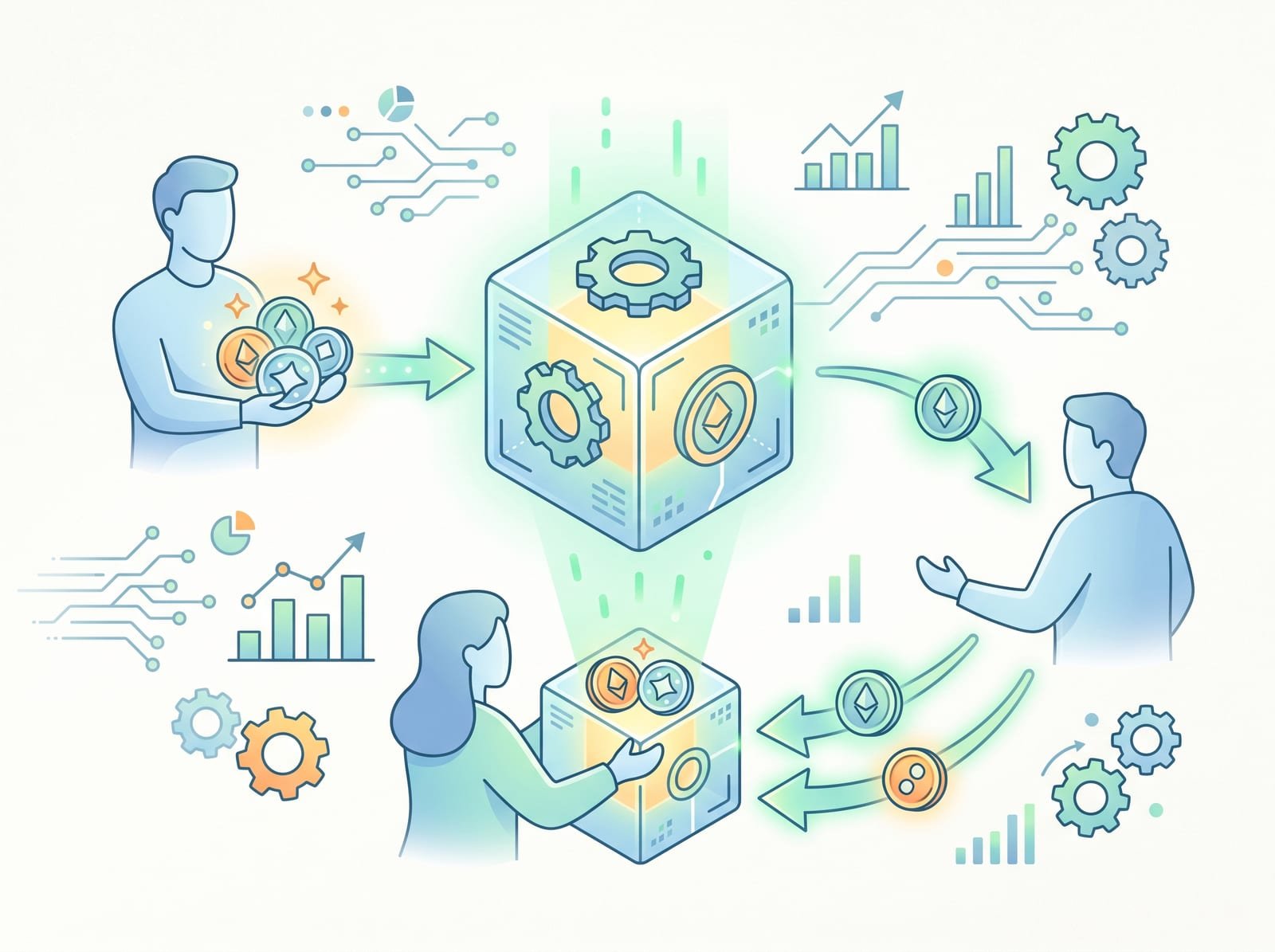
Security Tokens and Derivatives: Security tokens represent ownership in an asset, such as company shares, and are subject to regulatory oversight. Derivatives in DeFi allow users to trade contracts that derive their value from an underlying asset, like commodities or stock indices.
Non-Fungible Tokens (NFTs): NFTs are unique digital assets that represent ownership of a specific item or piece of content, such as art or music. Unlike cryptocurrencies, which are divisible, NFTs are indivisible and can be used for digital collectibles or other applications.
While DeFi offers exciting opportunities, it also comes with risks. As DeFi projects are relatively new, they can be vulnerable to technical bugs, security issues, and regulatory challenges. Users should exercise caution and thoroughly research before engaging with DeFi services.
Understanding DeFi is crucial for anyone interested in the future of finance, whether for personal knowledge or potential career opportunities in tech and finance sectors.
This lesson was rewritten by Prison Professors for educational use, inspired by Binance Academy. The original article remains the property of its authors.
Legal disclaimer: This material has been prepared for general informational purposes only and should NOT be: (1) considered an individualized recommendation or advice; and (2) relied upon for any investment activities. All information is provided on an as-is basis and is subject to change without notice, we make no representation or warranty of any kind, express or implied, regarding the accuracy, validity, reliability, availability or completeness of any such information. Prison Professors Charitable Corporation does NOT provide investment, legal, or tax advice in any manner or form. The ownership of any investment decision(s) exclusively vests with you after analyzing all possible risk factors and by exercising your own independent discretion. Prison Professors Charitable Corporation shall not be liable for any consequences thereof.
After reading this lesson, reflect on the following questions. Write at least two to four paragraphs for each prompt. You may use your responses as journal entries or lesson reports on your Prison Professors profile.