Basic Education on Crypto
Explore el análisis técnico, los gráficos y los indicadores para comprender las tendencias del mercado de criptomonedas.

Método para evaluar los movimientos futuros de los precios mediante el análisis de los datos pasados del mercado, centrándose en el precio y el volumen.
Herramientas visuales que muestran los movimientos históricos de los precios, esenciales para realizar análisis técnicos.
Herramientas que ayudan a interpretar los datos del mercado y a identificar oportunidades de negociación señalando las tendencias del mercado.
Es fundamental gestionar el riesgo diversificando las estrategias y no invirtiendo más de lo que pueda permitirse perder.
El análisis técnico es una técnica que se utiliza para evaluar y predecir los movimientos futuros de los precios de activos como las criptomonedas mediante el examen de datos históricos del mercado, principalmente el precio y el volumen. La idea central es que la historia tiende a repetirse y, al estudiar los patrones históricos, los operadores pueden realizar predicciones fundamentadas sobre los movimientos futuros de los precios. Este método fue desarrollado por Charles Dow, un periodista que ayudó a fundar el Wall Street Journal y el índice Dow Jones Industrial. El trabajo de Dow sentó las bases del análisis técnico moderno, que ahora es una habilidad esencial para los operadores que buscan comprender las tendencias del mercado.
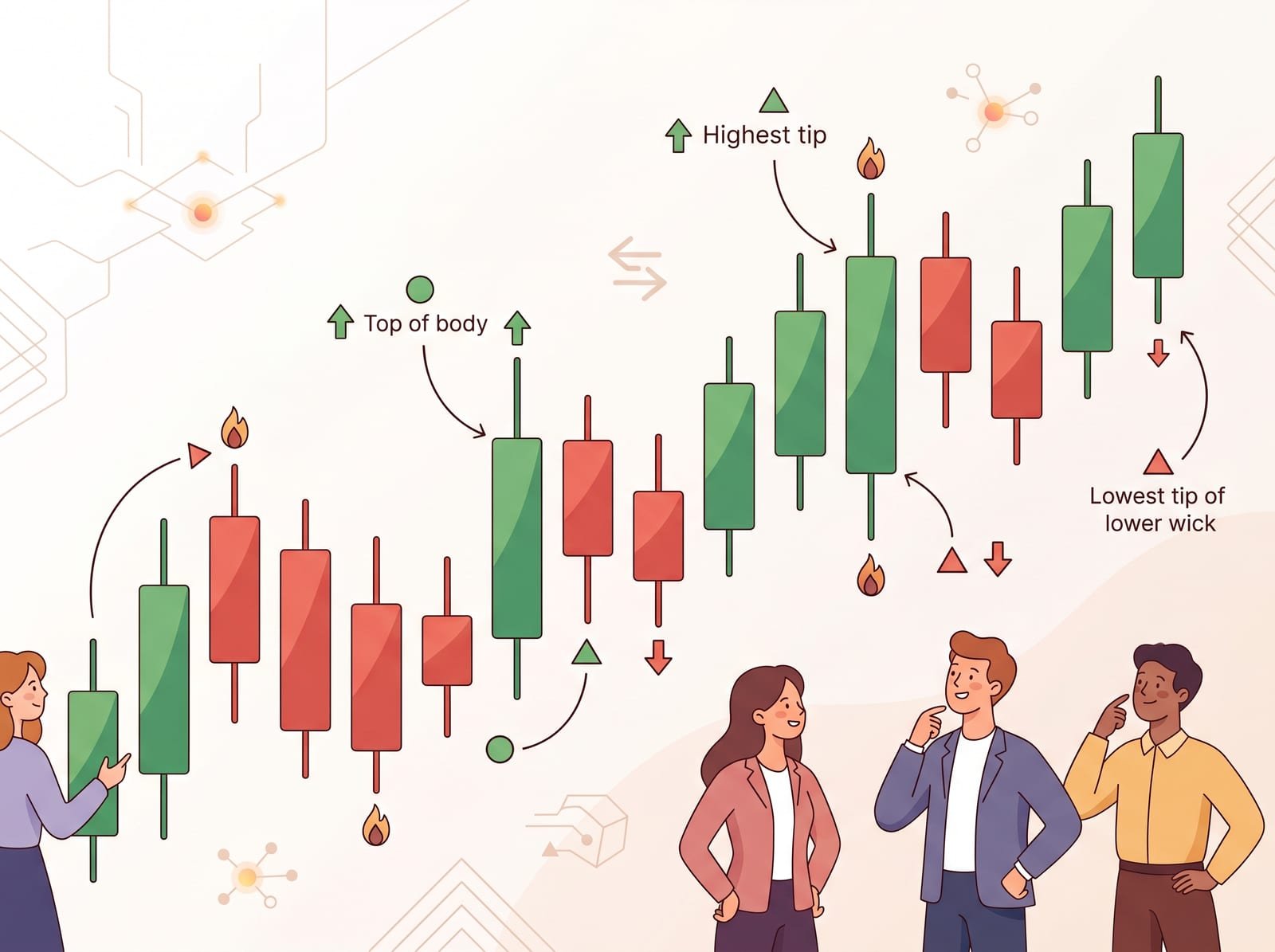
Los gráficos bursátiles son herramientas visuales que muestran los movimientos de precios de un activo a lo largo del tiempo, esenciales para realizar un análisis técnico. Ofrecen una instantánea de cómo han variado los precios a lo largo de la historia. Un tipo de gráfico muy popular es el gráfico de velas. Cada vela representa los movimientos de precios dentro de un periodo de tiempo específico, mostrando los precios de apertura, máximo, mínimo y cierre. Una vela verde indica que el precio de cierre fue superior al de apertura, mientras que una vela roja muestra lo contrario. Comprender estos gráficos es crucial para reconocer patrones y tomar decisiones informadas.
Los indicadores son herramientas que ayudan a los operadores a interpretar los datos del mercado e identificar posibles oportunidades de negociación. Proporcionan información sobre las tendencias del mercado y pueden señalar cuándo podría ser un buen momento para comprar o vender un activo. Los indicadores se pueden clasificar en tres tipos: adelantados, rezagados y coincidentes. Los indicadores adelantados predicen los movimientos futuros de los precios, los indicadores rezagados confirman las tendencias una vez que estas han comenzado, y los indicadores coincidentes se producen simultáneamente con los cambios de precios. Los operadores suelen utilizar una combinación de estos indicadores para desarrollar estrategias y tomar decisiones informadas.
Existen varios indicadores técnicos que se utilizan ampliamente en el trading de criptomonedas. Cada uno de ellos ofrece una perspectiva diferente de las condiciones del mercado:
Comprender estos indicadores puede mejorar su análisis de las tendencias del mercado y las oportunidades potenciales.
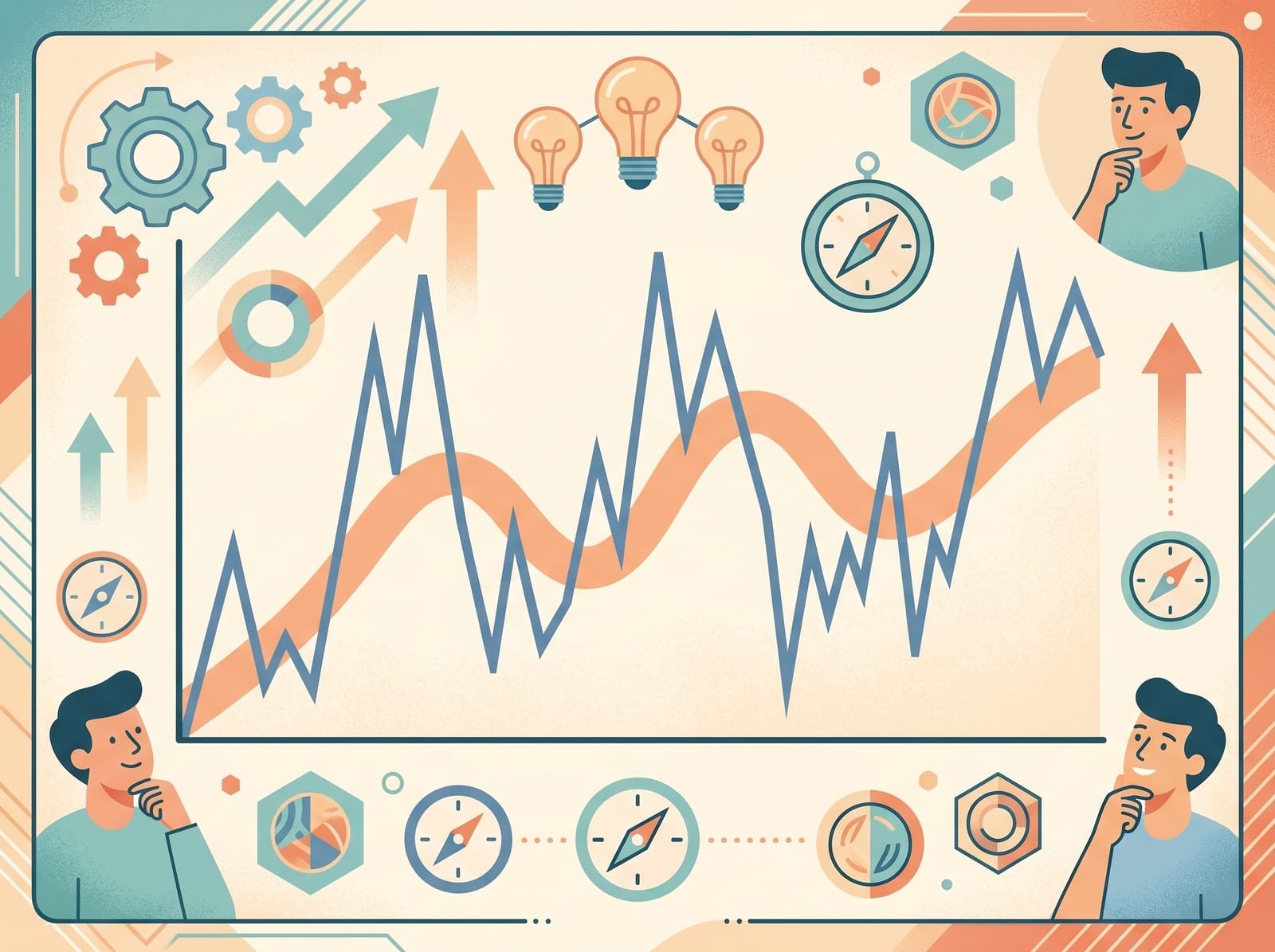
Para los principiantes, es importante empezar por aprender a leer los gráficos de trading y comprender los indicadores básicos. A medida que te familiarices con estos conceptos, podrás empezar a desarrollar tus propias estrategias de trading. Ten en cuenta el horizonte temporal que deseas analizar y elige indicadores que se ajusten a tus objetivos. También es fundamental gestionar el riesgo invirtiendo solo lo que puedas permitirte perder y diversificando tus estrategias. Por último, realiza un seguimiento y analiza los resultados de tus estrategias para comprender qué funciona y perfeccionar tu enfoque con el tiempo.

Esta lección ha sido reescrita por Prison Professors con fines educativos, inspirándose en Binance Academy. El artículo original sigue siendo propiedad de sus autores.
Aviso legal: Este material se ha elaborado únicamente con fines informativos generales y NO debe: (1) considerarse una recomendación o un consejo individualizado; ni (2) servir de base para ninguna actividad de inversión. Toda la información se proporciona «tal cual» y está sujeta a cambios sin previo aviso; no ofrecemos ninguna garantía, expresa o implícita, respecto a la exactitud, validez, fiabilidad, disponibilidad o integridad de dicha información. Prison Professors Charitable Corporation NO ofrece asesoramiento en materia de inversiones, legal o fiscal de ninguna manera ni forma. La responsabilidad de cualquier decisión de inversión recae exclusivamente en usted, tras analizar todos los posibles factores de riesgo y ejercer su propio criterio independiente. Prison Professors Charitable Corporation no se hace responsable de ninguna consecuencia derivada de ello.
Después de leer esta lección, reflexiona sobre las siguientes preguntas. Escribe al menos de dos a cuatro párrafos para cada pregunta. Puedes utilizar tus respuestas como anotaciones en tu diario o como informes de la lección en tu perfil de Profesores de Prisiones.