Crypto Types
Conozca Avalanche, una plataforma blockchain escalable, su token AVAX y cómo soporta aplicaciones descentralizadas.

La estructura de Avalanche le permite gestionar un gran número de transacciones con rapidez, gracias a su innovador uso de subredes.
AVAX se utiliza para las comisiones de transacción, las apuestas y como unidad de intercambio en toda la red, fomentando la interoperabilidad.
Desarrollada por Ava Labs, Avalanche se lanzó en 2020 y desde entonces ha atraído importantes inversiones e interés.
Avalanche utiliza dos protocolos de consenso (Avalanche y Snowman) para gestionar eficazmente las transacciones y los contratos inteligentes.
Avalanche es una plataforma blockchain que utiliza un sistema de prueba de participación (PoS), diseñada para dar soporte a una amplia gama de aplicaciones y redes descentralizadas. Al ser una plataforma de código abierto, su código está disponible públicamente, lo que permite a los desarrolladores revisarlo y modificarlo libremente. Avalanche destaca por su capacidad para escalar de manera eficiente, lo que significa que puede gestionar un volumen de trabajo cada vez mayor y procesar transacciones con rapidez.
Un aspecto único de Avalanche es el uso de subredes: blockchains personalizadas que operan de forma independiente pero comparten la seguridad y la velocidad de la red principal. Esta innovación permite a los desarrolladores crear soluciones a medida sin dejar de ser compatibles con el ecosistema más amplio de Avalanche.
La criptomoneda nativa de Avalanche se llama AVAX. El suministro total de tokens AVAX tiene un límite de 720 millones. Para ayudar a gestionar este límite, Avalanche emplea un mecanismo deflacionario. Esto implica «quemar» o eliminar permanentemente los tokens utilizados para las comisiones de transacción, lo que reduce gradualmente el suministro total con el tiempo.
AVAX desempeña varias funciones dentro de la red Avalanche. Se utiliza para pagar comisiones de transacción y acceder a las subredes. Además, los titulares de AVAX pueden stakear sus tokens, ya sea directamente o delegando en validadores, lo que contribuye a la seguridad de la red y les permite obtener recompensas. AVAX también sirve como unidad de intercambio común entre diferentes subredes, lo que mejora la interoperabilidad, es decir, la capacidad de trabajar juntos de forma fluida.
Avalanche fue desarrollado por un equipo formado por Kevin Sekniqi, Maofan Yin y Emin Gün Sirer, quienes más tarde fundaron Ava Labs para supervisar su desarrollo. La red y su token AVAX se lanzaron en septiembre de 2020. Desde entonces, Avalanche ha suscitado un gran interés, recaudando casi 300 millones de dólares en financiación, lo que pone de relieve su potencial para dar soporte a una amplia gama de proyectos y aplicaciones de blockchain.

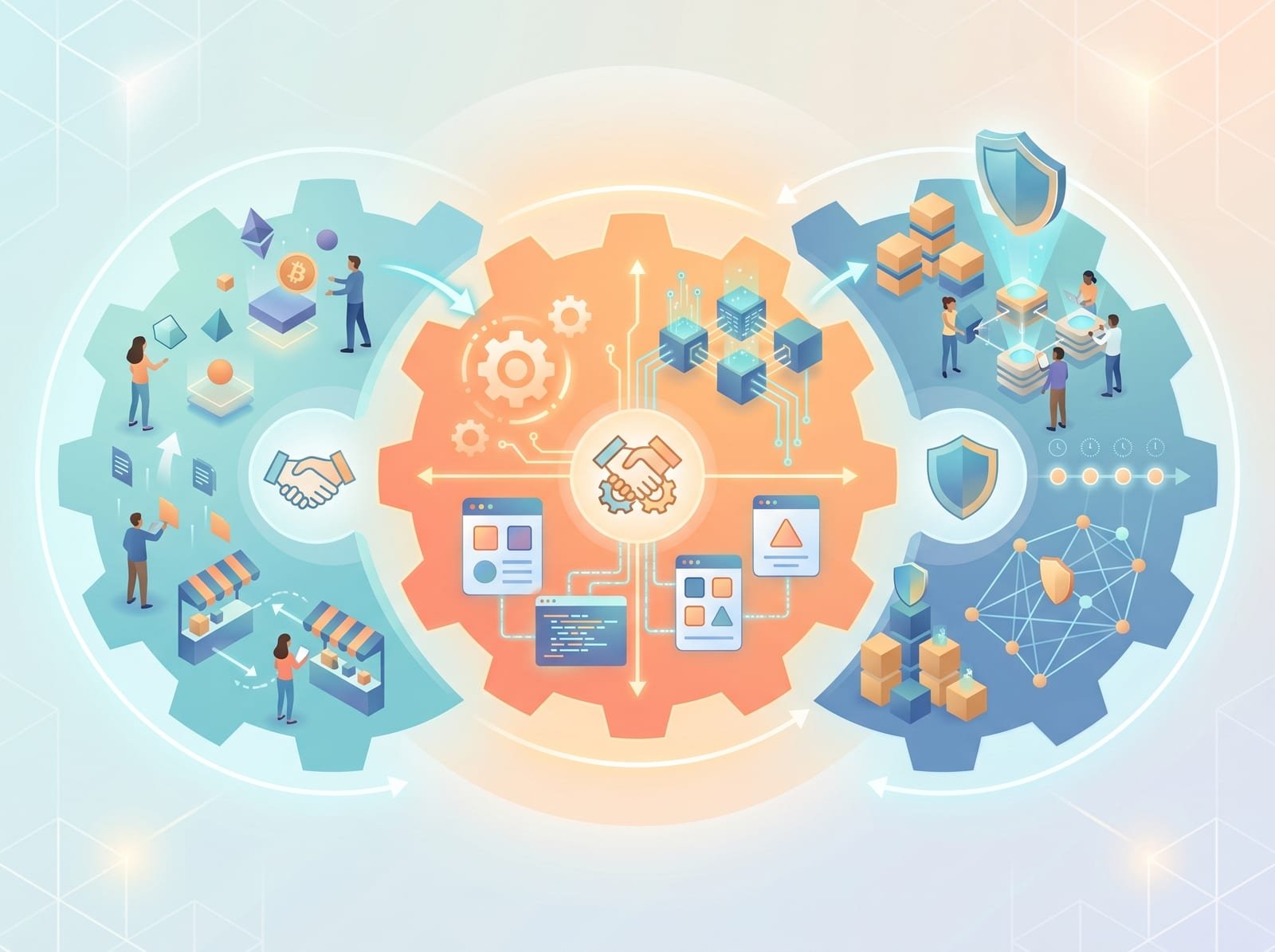
La red Avalanche se estructura en torno a tres blockchains independientes, cada una con una función específica:
Al distribuir las tareas entre estas cadenas, Avalanche alcanza velocidades más rápidas y una mayor escalabilidad en comparación con los sistemas de cadena única.
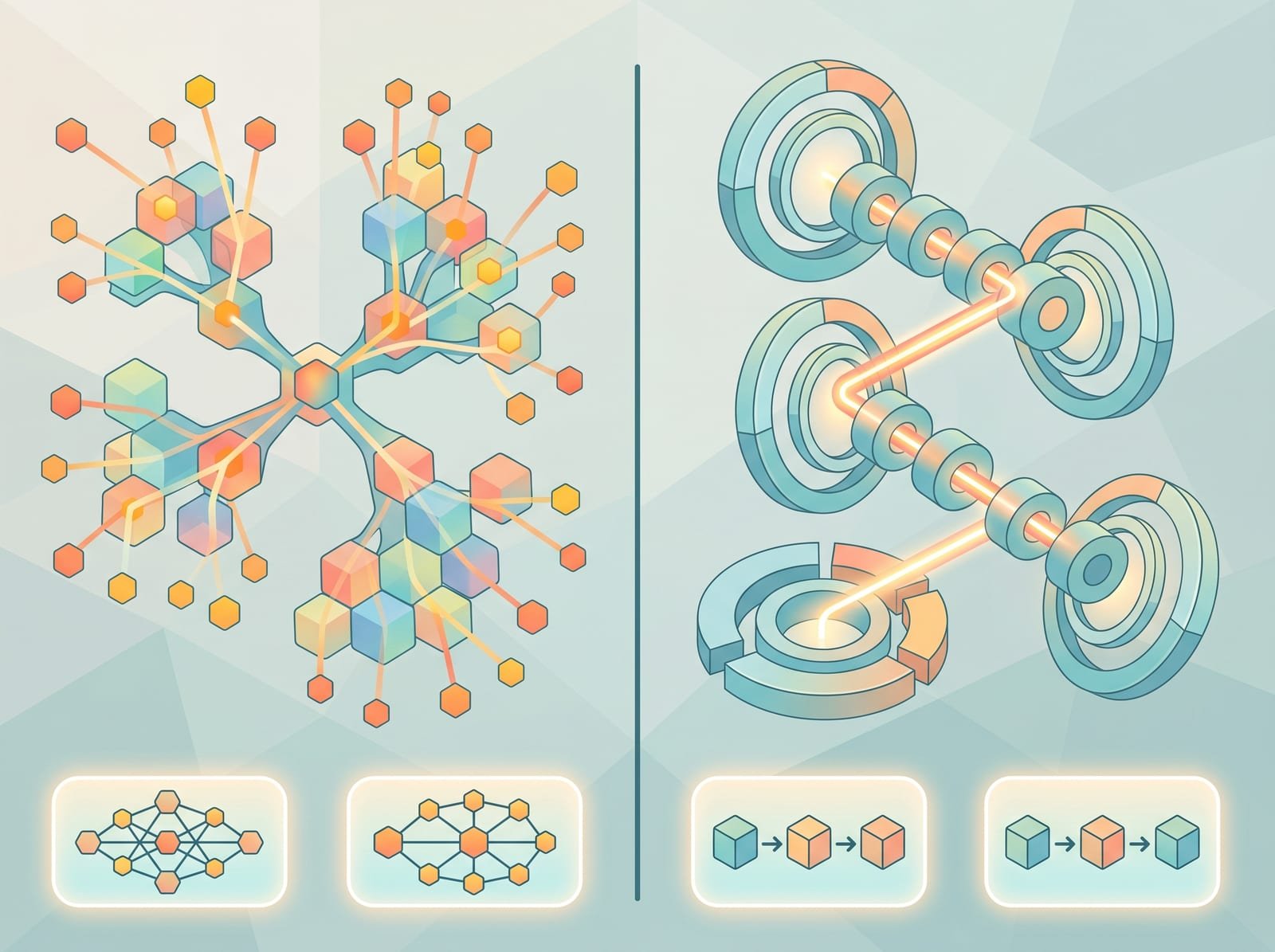
Avalanche utiliza dos protocolos de consenso principales: el consenso Avalanche y el consenso Snowman. El consenso Avalanche es un protocolo de grafo acíclico dirigido (DAG), que permite procesar múltiples transacciones simultáneamente, lo que mejora considerablemente la velocidad.
Por el contrario, el Consenso Snowman ordena las transacciones en una secuencia lineal, lo que lo hace especialmente adecuado para los contratos inteligentes. Este enfoque de doble consenso permite a Avalanche gestionar de forma eficiente tanto las transacciones de activos como las operaciones contractuales complejas.
Esta lección ha sido reescrita por Prison Professors con fines educativos, inspirándose en Binance Academy. El artículo original sigue siendo propiedad de sus autores.
Aviso legal: Este material ha sido elaborado únicamente con fines informativos generales y NO debe: (1) considerarse una recomendación o un consejo individualizado; ni (2) servir de base para ninguna actividad de inversión. Toda la información se proporciona «tal cual» y está sujeta a cambios sin previo aviso; no ofrecemos ninguna garantía de ningún tipo, expresa o implícita, en cuanto a la exactitud, validez, fiabilidad, disponibilidad o integridad de dicha información. Prison Professors Charitable Corporation NO ofrece asesoramiento en materia de inversiones, legal o fiscal de ninguna manera ni forma. La responsabilidad de cualquier decisión de inversión recae exclusivamente en usted, tras analizar todos los posibles factores de riesgo y ejercer su propio criterio independiente. Prison Professors Charitable Corporation no se hace responsable de ninguna consecuencia derivada de ello.
Después de leer esta lección, reflexiona sobre las siguientes preguntas. Escribe al menos de dos a cuatro párrafos para cada pregunta. Puedes utilizar tus respuestas como anotaciones en tu diario o como informes de la lección en tu perfil de Profesores de Prisiones.