Security
Discover how to protect your cryptocurrency from phishing, malware, and other security risks.

Phishing involves tricking individuals into revealing sensitive information through fake communications.
Malware can infiltrate devices to steal cryptocurrency or use resources for unauthorized mining.
Using strong passwords and multi-factor authentication enhances cryptocurrency security.
Cryptocurrencies have revolutionized our approach to money by enabling decentralized and anonymous transactions. While these features make digital currencies appealing, they also introduce distinct security challenges. Understanding these risks is critical for anyone involved with cryptocurrencies, as they can help you safeguard your digital assets.
As cryptocurrencies become more popular, they increasingly attract cybercriminals. Two prevalent security risks are phishing and malware attacks. These threats can compromise your digital assets if you are not vigilant.
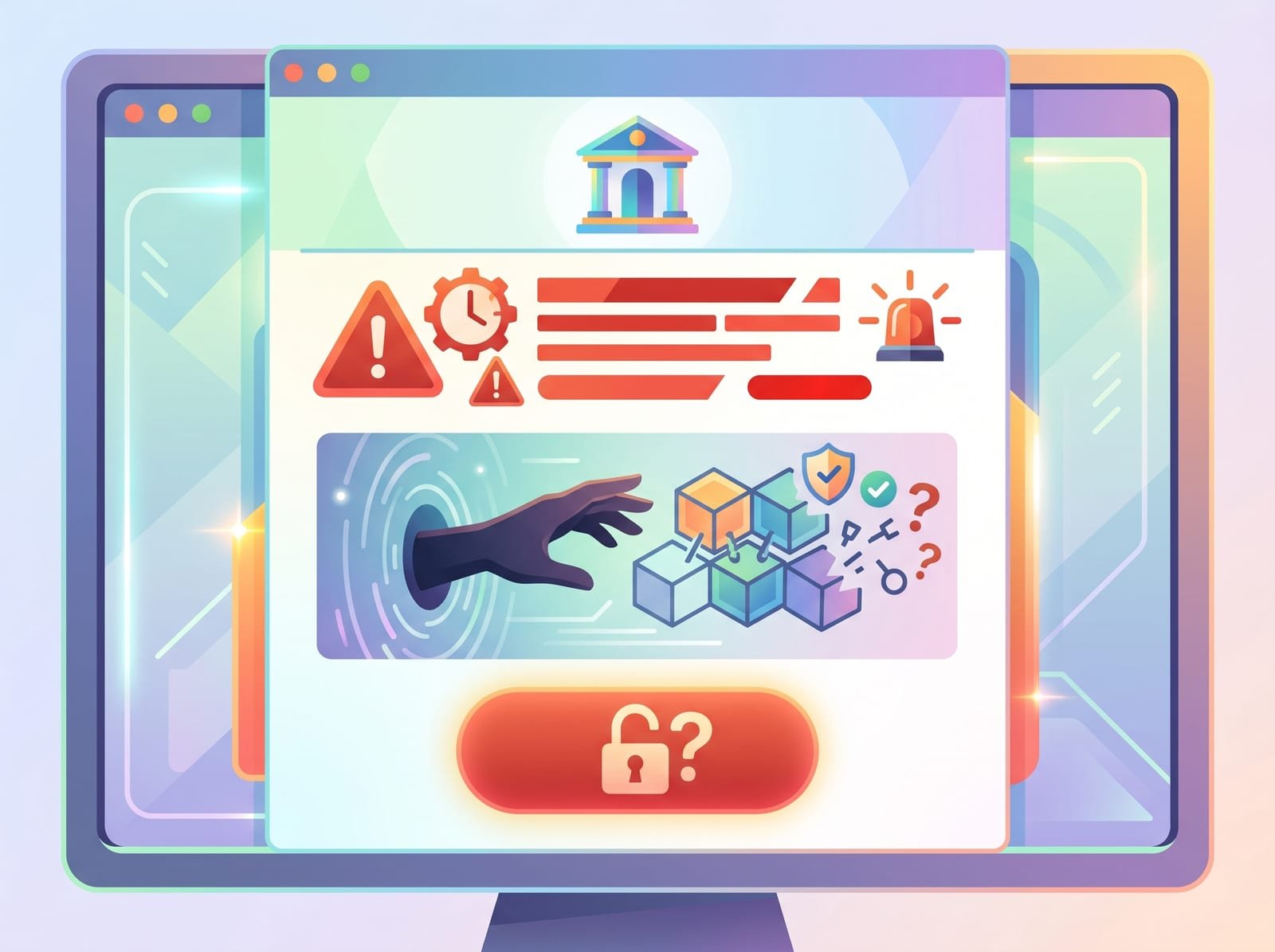
Phishing attacks involve fraudulent attempts to trick you into revealing sensitive information such as passwords or private keys. These scams often appear as emails, messages, or phone calls from sources that seem trustworthy. Types of phishing scams include:
Phishing attacks often mimic legitimate communications, making them difficult to detect.
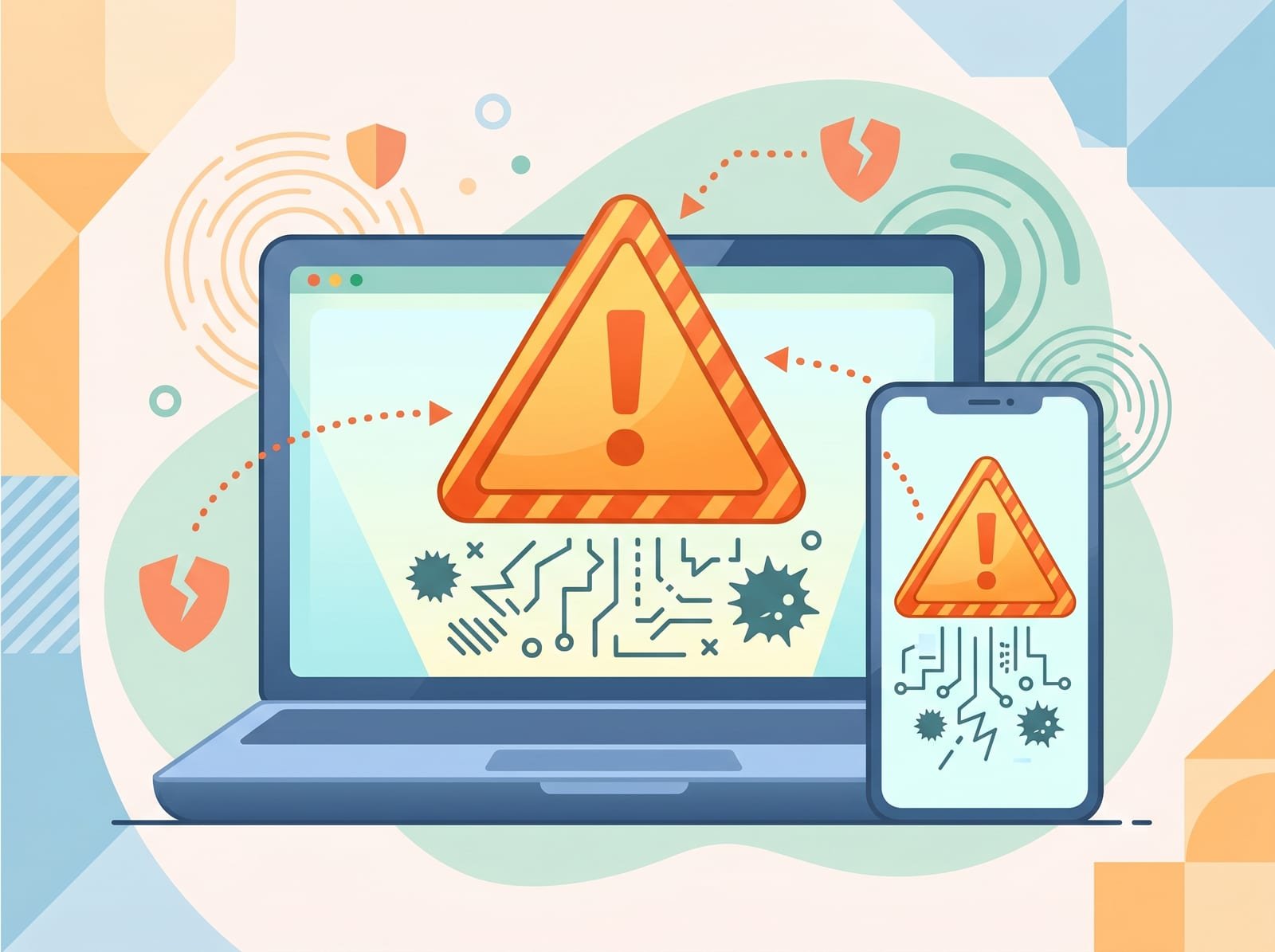
Malware refers to malicious software that, once installed on your device, can perform harmful actions like stealing your cryptocurrency. Signs of malware include sluggish device performance and frequent cooling fan activity. Malware can be downloaded from suspicious websites or unverified apps. Some malware, such as cryptojacking software, secretly uses your device's processing power to mine cryptocurrency for someone else.
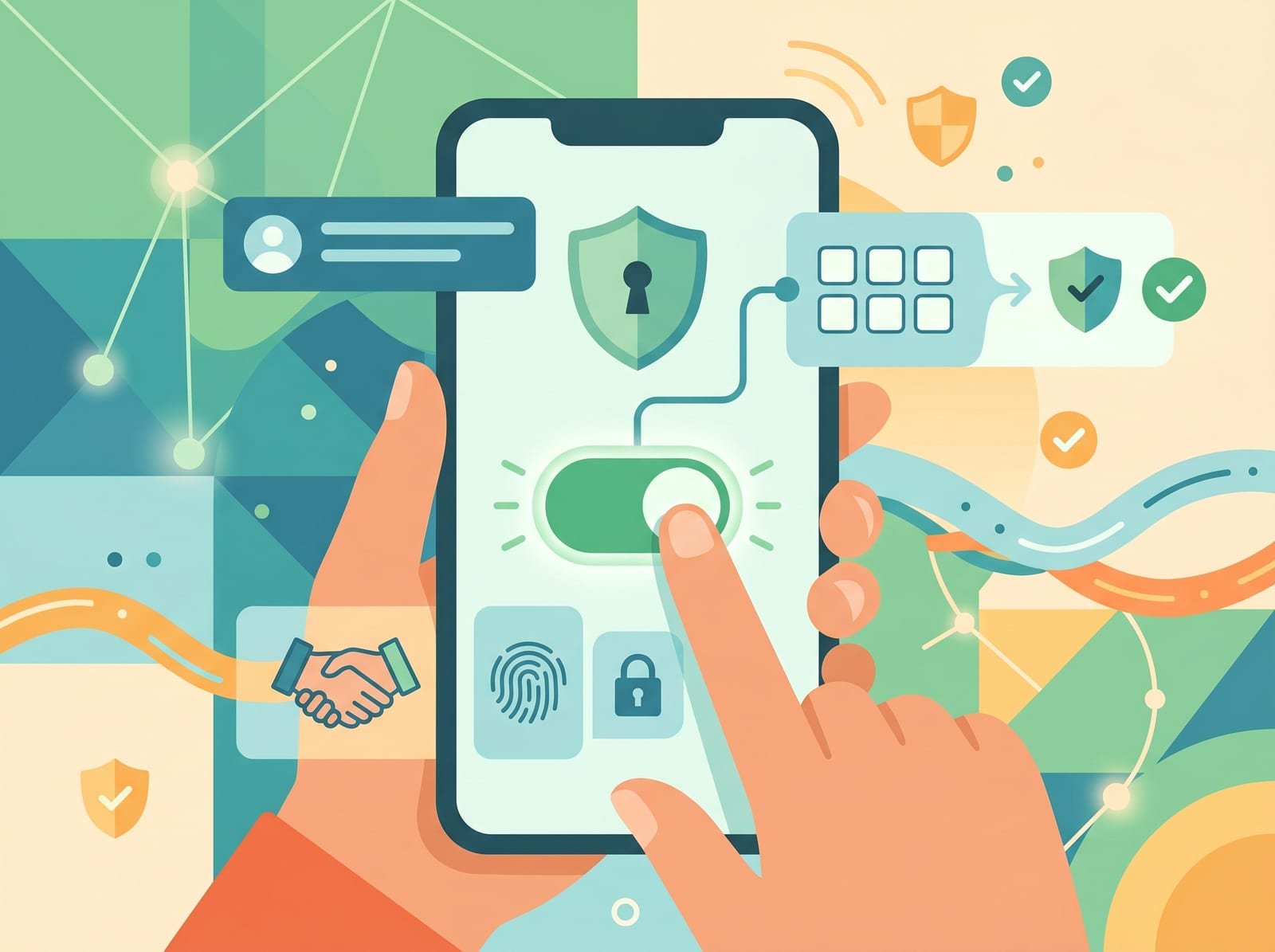
Securing your cryptocurrency involves being proactive and informed. Here are some tips to help you stay safe:
Implementing these practices can enhance your security and protect your digital assets.
While cryptocurrency offers exciting opportunities, it also demands vigilance and education to protect against scams and malware. By understanding these threats and implementing strong security practices, you can enjoy the benefits of digital currencies while minimizing risks.
This lesson was rewritten by Prison Professors for educational use, inspired by Binance Academy. The original article remains the property of its authors.
Legal disclaimer: This material has been prepared for general informational purposes only and should NOT be: (1) considered an individualized recommendation or advice; and (2) relied upon for any investment activities. All information is provided on an as-is basis and is subject to change without notice, we make no representation or warranty of any kind, express or implied, regarding the accuracy, validity, reliability, availability or completeness of any such information. Prison Professors Charitable Corporation does NOT provide investment, legal, or tax advice in any manner or form. The ownership of any investment decision(s) exclusively vests with you after analyzing all possible risk factors and by exercising your own independent discretion. Prison Professors Charitable Corporation shall not be liable for any consequences thereof.
After reading this lesson, reflect on the following questions. Write at least two to four paragraphs for each prompt. You may use your responses as journal entries or lesson reports on your Prison Professors profile.