Security
Descubra cómo proteger su criptomoneda con auto-soberanía, claves privadas y opciones de monedero.

La auto-soberanía en criptodivisas te permite gestionar tus propios fondos sin bancos, proporcionando tanto empoderamiento como responsabilidad.
Una clave privada es esencial para acceder a tus activos digitales, por lo que su protección es crucial para evitar accesos no autorizados.
Las frases semilla hacen copias de seguridad de tu monedero, permitiéndote regenerar claves privadas si es necesario, por lo que un almacenamiento seguro es vital.
Las firmas digitales verifican la autenticidad de las transacciones sin revelar su clave privada, lo que garantiza transacciones seguras y autorizadas.
Los monederos calientes son cómodos pero menos seguros en línea, mientras que los monederos fríos ofrecen seguridad fuera de línea para el almacenamiento a largo plazo.
Las criptomonedas introducen el concepto de autosoberanía, lo que significa que tienes el poder de gestionar tus propios fondos sin depender de los bancos tradicionales. Si bien esta independencia es empoderadora, también conlleva la responsabilidad de proteger tus activos. Si tomas las medidas adecuadas para proteger tus fondos, estos pueden estar extremadamente seguros. Sin embargo, no hacerlo puede dejar tus activos digitales vulnerables al robo.
En esta lección, exploraremos conceptos clave de seguridad que te ayudarán a garantizar que tus criptomonedas permanezcan protegidas.
Una clave privada es un componente crucial de la seguridad de las criptomonedas. Es un número largo y único que te da acceso a tus activos digitales. Piensa en ella como la llave de una caja fuerte que guarda tus fondos. Esta clave se genera mediante algoritmos complejos, lo que hace que sea casi imposible de adivinar para otros.
Cuando recibes criptomonedas, estas se envían a una dirección pública derivada de tu clave privada. Aunque cualquiera puede enviar fondos a tu dirección pública, solo tú, con la clave privada, puedes acceder a esos fondos y gastarlos. Proteger tu clave privada es esencial porque perderla significa perder el acceso a tus fondos, y si otra persona la obtiene, podría robar tus activos.
Muchas carteras de criptomonedas modernas utilizan una frase semilla como copia de seguridad. Una frase semilla es una serie de palabras sencillas que pueden regenerar todas las claves privadas de tu cartera. Esto resulta especialmente útil si pierdes tu dispositivo o necesitas recuperar tu cartera.
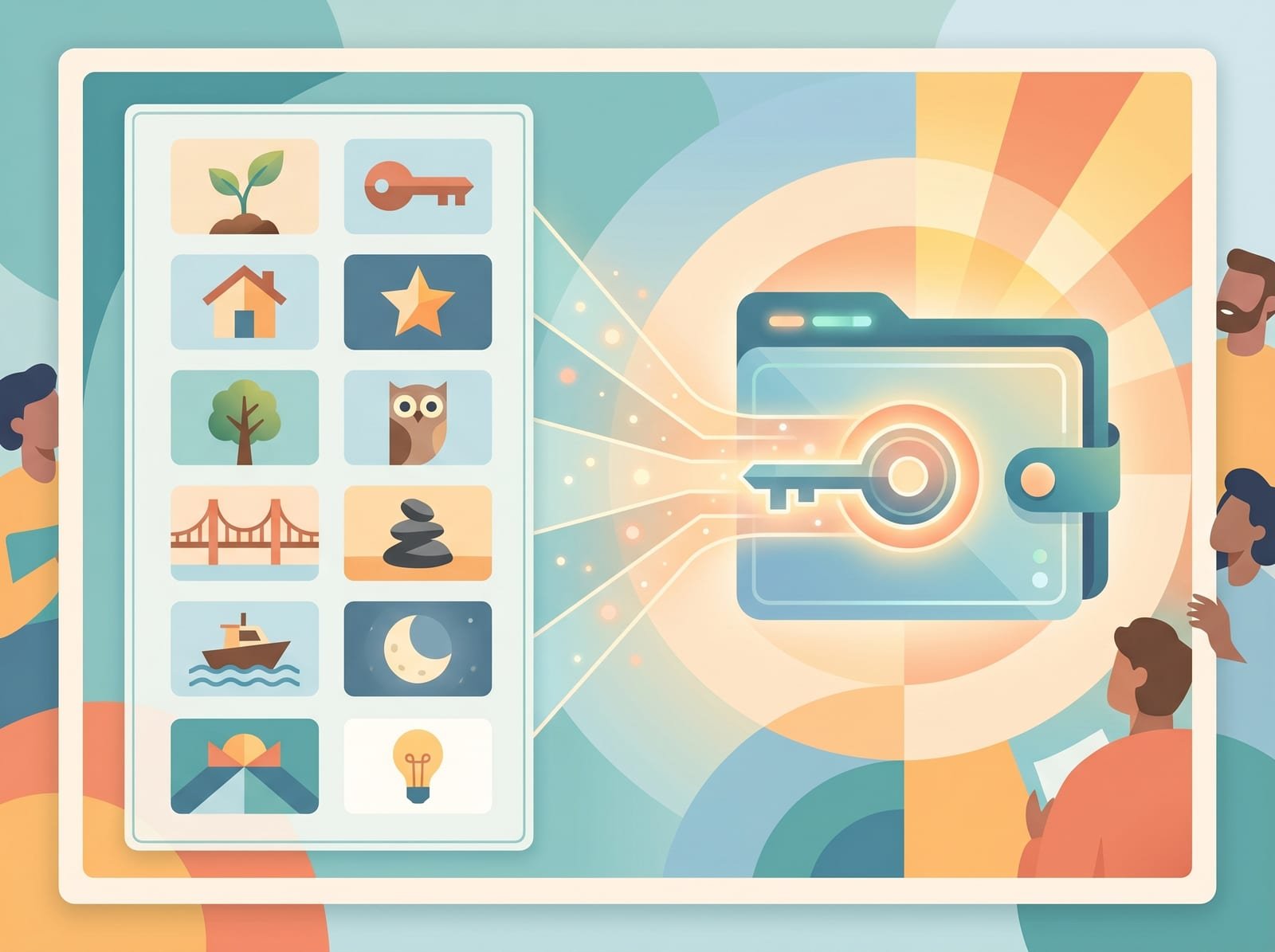
Al crear un nuevo monedero, a menudo se le pedirá que anote una frase semilla. Es fundamental guardar esta frase de forma segura, ya que cualquiera que tenga acceso a ella puede recrear su monedero y acceder a sus fondos.
Las firmas digitales son una parte fundamental de la tecnología de las criptomonedas. Verifican la autenticidad de las transacciones sin exponer tu clave privada. Cuando realizas una transacción, tu clave privada genera una firma digital, que otros pueden verificar utilizando tu clave pública. Este proceso garantiza que la transacción es legítima y ha sido autorizada por ti.
Las firmas digitales son una característica de seguridad esencial, ya que impiden el acceso no autorizado a tus fondos y te permiten demostrar la propiedad de tu criptomoneda.
Las carteras de criptomonedas se pueden clasificar en dos tipos principales: carteras calientes y carteras frías. Cada tipo tiene sus propias ventajas y consideraciones de seguridad.
Las carteras calientes están conectadas a Internet, lo que las hace convenientes para transacciones frecuentes. Normalmente se utilizan en teléfonos inteligentes u ordenadores y son ideales para guardar pequeñas cantidades de criptomonedas para uso habitual. Sin embargo, al estar en línea, las carteras calientes son más susceptibles a las amenazas cibernéticas. Para mejorar la seguridad, utiliza contraseñas seguras y activa la autenticación de dos factores.
Las carteras frías, por el contrario, no están conectadas a Internet, lo que las hace mucho más seguras frente a los ataques en línea. Estas carteras pueden ser dispositivos de hardware o incluso carteras de papel en las que se anotan las claves privadas y se almacenan sin conexión.

Las carteras frías son las mejores para almacenar grandes cantidades de criptomonedas a las que no necesitas acceder de forma inmediata, ya que su naturaleza offline proporciona una excelente seguridad a largo plazo.
Al elegir una cartera, te encontrarás con términos como «custodial» y «no custodial». Una cartera custodial es gestionada por un tercero, como una plataforma de intercambio de criptomonedas, que guarda tus claves privadas por ti. Aunque esto puede resultar cómodo, implica confiar en las prácticas de seguridad de ese tercero.
Las carteras no custodias, por otro lado, te dan control total sobre tus claves privadas. Esto significa que eres responsable de la seguridad de tus fondos, pero también que no dependes de ninguna entidad externa. Muchos usuarios prefieren las carteras no custodias para obtener el máximo control y seguridad, especialmente para el almacenamiento a largo plazo de cantidades significativas de criptomonedas.
Esta lección ha sido reescrita por Prison Professors con fines educativos, inspirándose en Binance Academy. El artículo original sigue siendo propiedad de sus autores.
Aviso legal: Este material ha sido elaborado únicamente con fines informativos generales y NO debe: (1) considerarse una recomendación o un consejo individualizado; ni (2) servir de base para ninguna actividad de inversión. Toda la información se proporciona «tal cual» y está sujeta a cambios sin previo aviso; no ofrecemos ninguna garantía, expresa o implícita, respecto a la exactitud, validez, fiabilidad, disponibilidad o integridad de dicha información. Prison Professors Charitable Corporation NO ofrece asesoramiento en materia de inversiones, legal o fiscal de ninguna manera ni forma. La responsabilidad de cualquier decisión de inversión recae exclusivamente en usted, tras analizar todos los posibles factores de riesgo y ejercer su propio criterio independiente. Prison Professors Charitable Corporation no se hace responsable de ninguna consecuencia derivada de ello.
Después de leer esta lección, reflexiona sobre las siguientes preguntas. Escribe al menos de dos a cuatro párrafos para cada pregunta. Puedes utilizar tus respuestas como anotaciones en tu diario o como informes de la lección en tu perfil de Profesores de Prisiones.