Security
Infórmese sobre las criptocarteras, su funcionamiento y consejos de seguridad esenciales para proteger sus activos digitales.

Las criptocarteras gestionan claves públicas y privadas, permitiendo el acceso a activos digitales en la cadena de bloques.
Mantener tus claves privadas seguras es crucial para proteger tus fondos en criptomoneda de accesos no autorizados.
Los monederos calientes ofrecen comodidad, mientras que los monederos fríos proporcionan mayor seguridad para almacenar activos digitales.
Un monedero criptográfico es una herramienta que te permite interactuar con la cadena de bloques, la tecnología subyacente de las criptomonedas como Bitcoin y Ethereum. A diferencia de los monederos tradicionales, los monederos criptográficos no almacenan físicamente tu dinero digital. En su lugar, te ayudan a gestionar tus claves públicas y privadas, que son fundamentales para acceder a tu criptomoneda en la cadena de bloques. Piensa en un monedero criptográfico como un llavero que contiene las llaves de tu caja fuerte digital.
La cadena de bloques es un libro de contabilidad digital descentralizado que registra todas las transacciones. Cada transacción se registra de forma permanente, lo que garantiza la seguridad y la transparencia. Las carteras de criptomonedas te permiten enviar y recibir criptomonedas utilizando direcciones de cartera derivadas de tus claves públicas.
Los monederos criptográficos funcionan mediante un sistema de claves y direcciones. Comprender estos componentes es esencial para gestionar tus activos digitales de forma segura y eficaz.
Una clave pública es un código criptográfico que permite a otros enviar criptomonedas a tu monedero. Es similar a un número de cuenta bancaria que compartes con otros para recibir fondos. Las claves públicas son largas cadenas de números y letras, pero también pueden representarse como direcciones de monedero, que son más cortas y fáciles de gestionar.
Las direcciones de monedero son versiones simplificadas de las claves públicas. Son cadenas alfanuméricas o códigos QR que puedes compartir para recibir criptomonedas. Piensa en ellas como una forma más fácil de usar para proporcionar tu clave pública, igual que una dirección postal es más fácil de usar que las coordenadas geográficas.
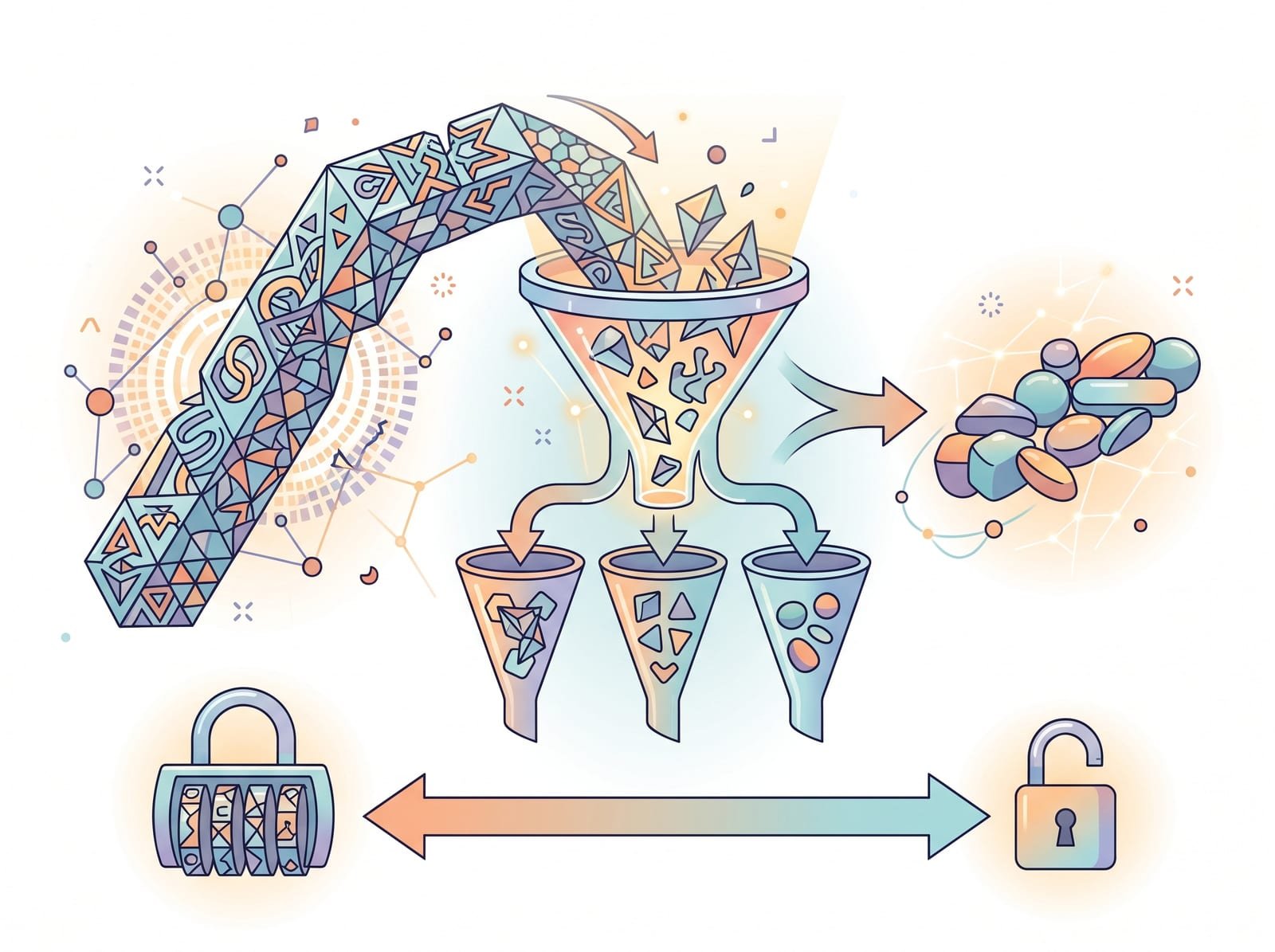
Las claves privadas son códigos secretos que te permiten acceder y gestionar tus fondos en criptomonedas. Están matemáticamente vinculadas a tus claves públicas y nunca deben compartirse. Perder tu clave privada significa perder el acceso a tus fondos, ya que no hay forma de recuperarla. Es como la llave de tu caja fuerte; cualquiera que tenga la llave puede acceder a tus objetos de valor.
Los monederos de criptomonedas se pueden clasificar en dos tipos principales: monederos calientes y monederos fríos. Cada tipo tiene sus ventajas y desventajas en función de tus necesidades.
Los monederos calientes son monederos digitales conectados a Internet, como los monederos web, los monederos móviles y los monederos de exchange. Ofrecen comodidad y fácil acceso, lo que los hace adecuados para transacciones frecuentes. Sin embargo, su conexión constante a Internet los hace más vulnerables a las amenazas cibernéticas.
Los monederos fríos son dispositivos físicos o métodos de almacenamiento offline que mantienen tus claves privadas a salvo, alejadas de Internet. Algunos ejemplos son los monederos de hardware y los monederos de papel. Los monederos fríos ofrecen una mayor seguridad, ya que son menos susceptibles a los ataques online. Sin embargo, pueden resultar menos prácticos para transacciones rápidas y requieren un manejo cuidadoso para evitar pérdidas o daños.
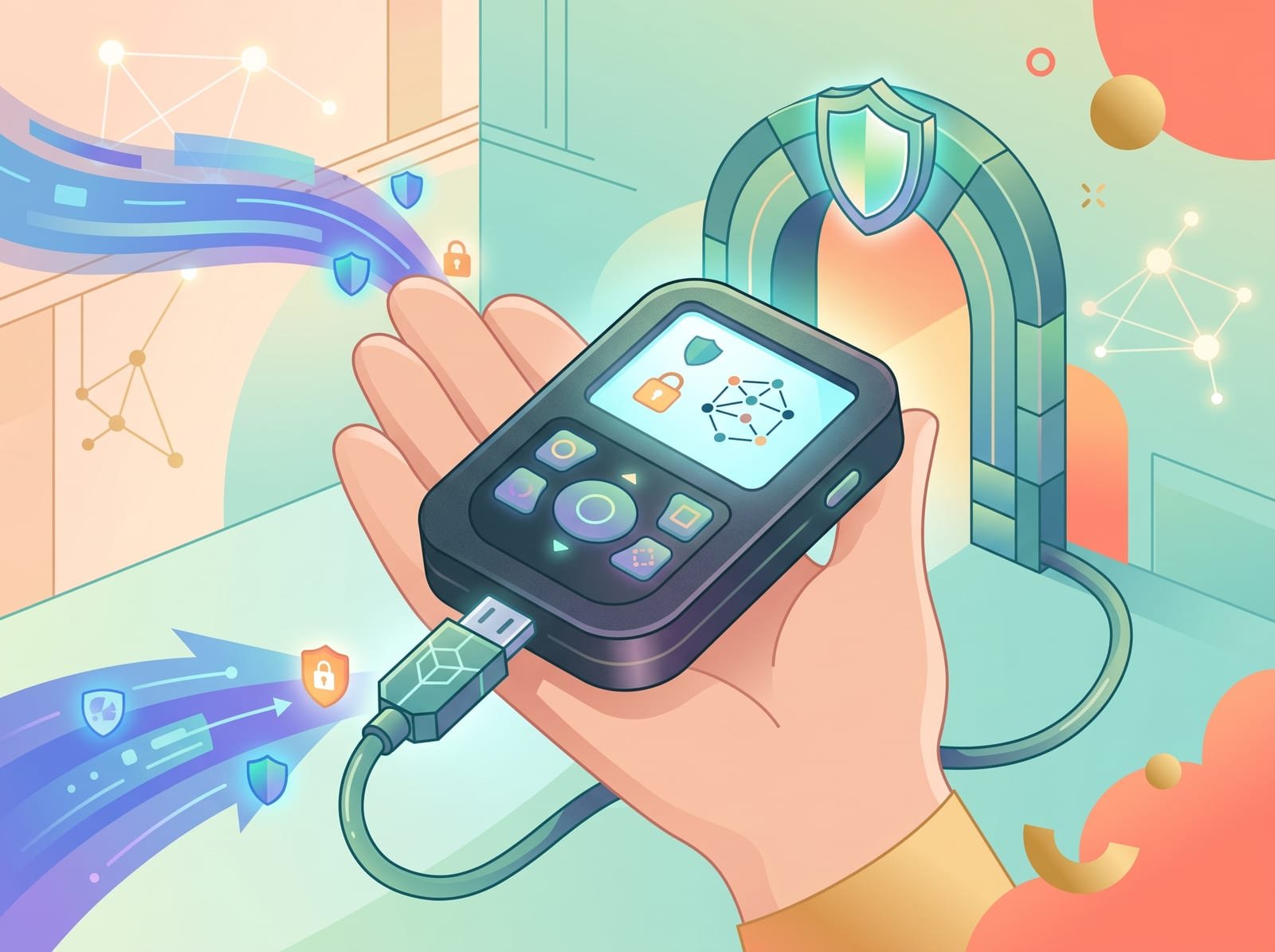
La seguridad es un aspecto crucial de la gestión de las criptomonedas. Con las carteras de criptomonedas, la responsabilidad de proteger tus fondos recae íntegramente en ti. A continuación te ofrecemos algunos consejos de seguridad clave:
La elección de la cartera de criptomonedas adecuada depende de tus necesidades individuales y de cómo pienses utilizar tus criptomonedas. Ten en cuenta estos factores a la hora de elegir una cartera:
Esta lección ha sido reescrita por Prison Professors con fines educativos, inspirándose en Binance Academy. El artículo original sigue siendo propiedad de sus autores.
Aviso legal: Este material se ha elaborado únicamente con fines informativos generales y NO debe: (1) considerarse una recomendación o un consejo individualizado; ni (2) servir de base para ninguna actividad de inversión. Toda la información se proporciona «tal cual» y está sujeta a cambios sin previo aviso; no ofrecemos ninguna garantía de ningún tipo, expresa o implícita, en cuanto a la exactitud, validez, fiabilidad, disponibilidad o integridad de dicha información. Prison Professors Charitable Corporation NO ofrece asesoramiento en materia de inversiones, legal o fiscal de ninguna manera ni forma. La responsabilidad de cualquier decisión de inversión recae exclusivamente en usted, tras analizar todos los posibles factores de riesgo y ejercer su propio criterio independiente. Prison Professors Charitable Corporation no se hace responsable de ninguna consecuencia derivada de ello.
Después de leer esta lección, reflexiona sobre las siguientes preguntas. Escribe al menos de dos a cuatro párrafos para cada pregunta. Puedes utilizar tus respuestas como anotaciones en tu diario o como informes de la lección en tu perfil de Profesores de Prisiones.