Trading
Discover the essentials of cryptocurrency trading with our beginner-friendly guide.

Digital money that operates independently of a central bank and uses cryptographic technology for security.
A decentralized ledger that records all transactions securely and transparently.
A digital tool used to store and manage cryptocurrencies, available as hot (online) or cold (offline) options.
Cryptocurrency is a digital form of money that exists only online. Unlike traditional money you can hold in your wallet, cryptocurrencies are entirely virtual. They are used to buy goods and services or settle bills, much like the money in your bank account. However, cryptocurrencies operate on a decentralized network, meaning they don't rely on banks for transactions. Instead, they use a peer-to-peer system where multiple computers, known as nodes, work together to manage and verify transactions.
Cryptocurrencies are secured by cryptographic technology, which uses complex math to ensure each unit is unique and cannot be duplicated. This technology is called blockchain, which acts like a public ledger that records all transactions transparently and securely.
To better understand cryptocurrency trading, it's important to know some basic terms:
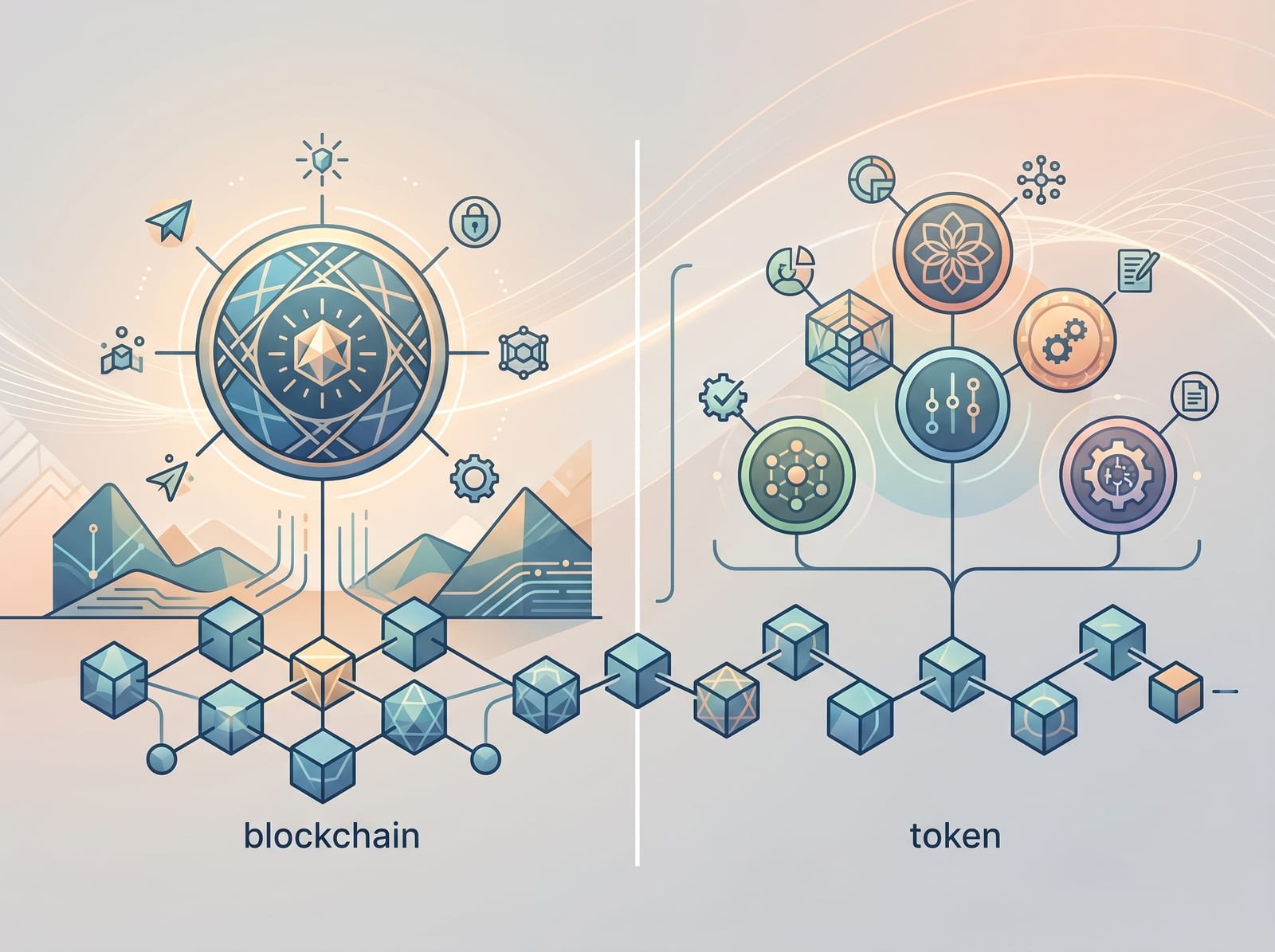
Cryptocurrency trading involves buying, selling, or exchanging digital currencies on a platform known as an exchange. These exchanges allow users to trade different cryptocurrencies or convert them into traditional money like dollars.
To trade, you need a crypto wallet to store your digital assets. Wallets can be 'hot' or 'cold.' A hot wallet is connected to the internet and is easy to use for frequent transactions. However, it can be vulnerable to online attacks. A cold wallet, on the other hand, is offline, making it more secure but less convenient for quick trades.

Cryptocurrency can be obtained through mining or buying. Mining involves using powerful computers to solve complex problems that validate transactions on the blockchain. This process can be costly and energy-intensive, so many people opt to buy cryptocurrencies on exchanges instead.
Recently, new methods like Proof of Stake (PoS) have been introduced to reduce energy consumption in mining. PoS allows users to validate transactions by holding and staking their tokens, offering a more eco-friendly approach to managing cryptocurrencies.
People trade cryptocurrencies for various reasons, such as exploring new financial opportunities or diversifying their investment portfolios. While trading can be exciting, it's essential to understand the risks involved, as the market can be volatile. By learning the basics and staying informed, you can make more educated decisions about your involvement in the crypto world.

This lesson was rewritten by Prison Professors for educational use, inspired by Binance Academy. The original article remains the property of its authors.
Legal disclaimer: This material has been prepared for general informational purposes only and should NOT be: (1) considered an individualized recommendation or advice; and (2) relied upon for any investment activities. All information is provided on an as-is basis and is subject to change without notice, we make no representation or warranty of any kind, express or implied, regarding the accuracy, validity, reliability, availability or completeness of any such information. Prison Professors Charitable Corporation does NOT provide investment, legal, or tax advice in any manner or form. The ownership of any investment decision(s) exclusively vests with you after analyzing all possible risk factors and by exercising your own independent discretion. Prison Professors Charitable Corporation shall not be liable for any consequences thereof.
After reading this lesson, reflect on the following questions. Write at least two to four paragraphs for each prompt. You may use your responses as journal entries or lesson reports on your Prison Professors profile.