Basic Education on Crypto
Learn about NFTs, their workings, uses, and the pros and cons of this digital asset.

NFTs are unique digital assets that represent ownership or authenticity of specific items or content.
NFTs use blockchain technology to store their unique identifiers and transaction history securely.
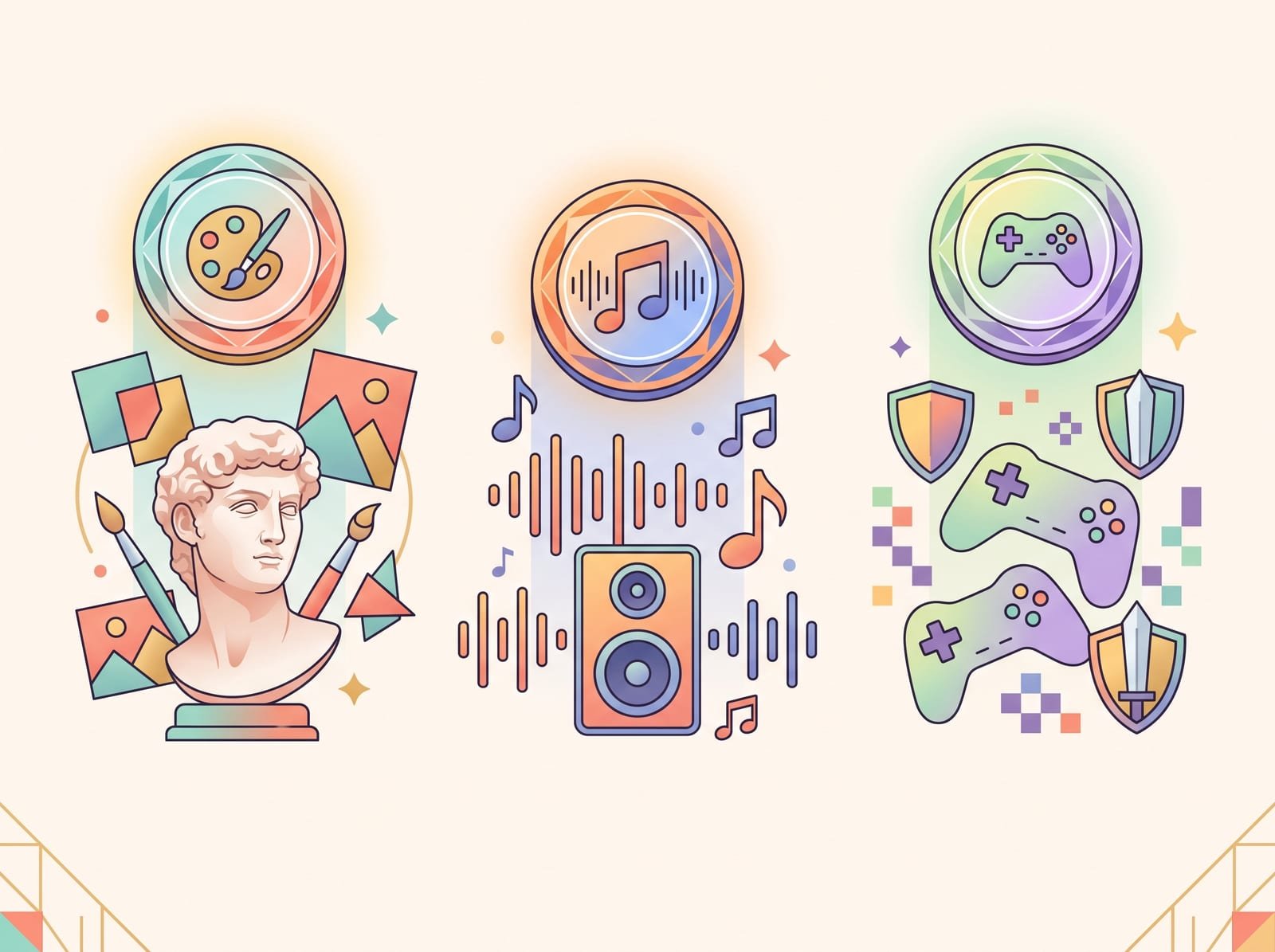
NFTs have diverse applications, from digital art and music to gaming and event tickets.
NFTs offer benefits like ownership verification but also come with challenges like volatility and legal issues.
NFTs, or non-fungible tokens, are a special type of digital asset. They represent ownership or proof of authenticity for unique items or pieces of content. Unlike cryptocurrencies such as Bitcoin, which are interchangeable and have equal value, NFTs are unique and cannot be exchanged for something identical. This uniqueness is what gives NFTs their value.
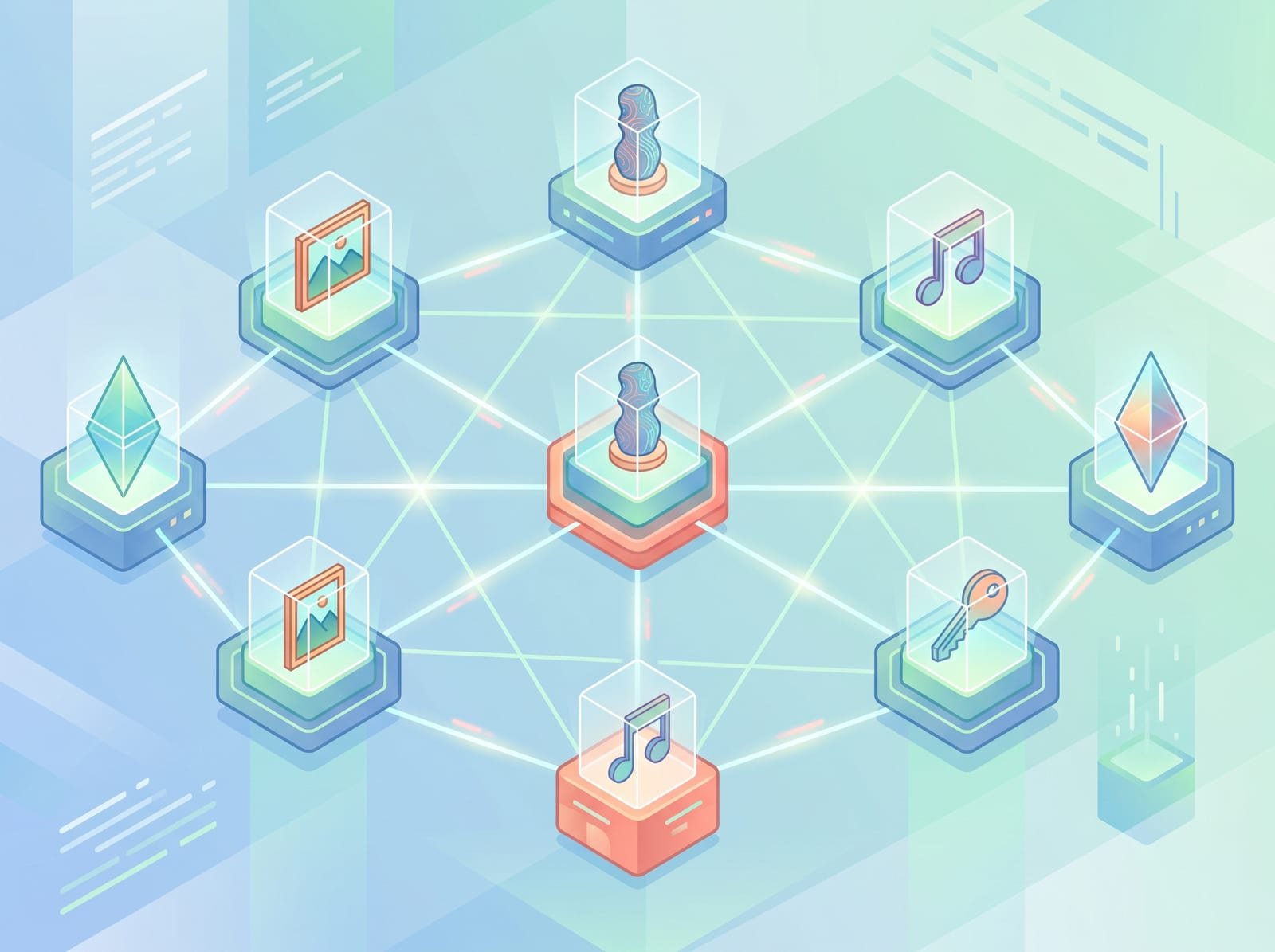
Each NFT is stored on a blockchain, a digital ledger that securely records transactions. This ensures that the ownership and authenticity of the NFT can be verified. NFTs can represent a variety of digital items, including art, music, videos, and even virtual real estate.
NFTs operate using blockchain technology, similar to cryptocurrencies. The most popular blockchain for NFTs is Ethereum, but other blockchains like BNB Smart Chain and Solana also support them. When an NFT is created, or "minted," it receives a unique identifier that sets it apart from other tokens. This process involves generating a digital certificate of authenticity stored on the blockchain.
Once minted, NFTs can be bought, sold, and traded on various digital marketplaces. They are kept in digital wallets that support NFTs, allowing owners to manage their collections securely. The blockchain records every transaction involving the NFT, providing a transparent history of ownership and transfers.
NFTs have a wide range of applications across different industries:
As with any technology, NFTs come with both advantages and disadvantages. Understanding these can help you navigate the NFT space more effectively.
NFTs represent a fascinating intersection of technology, art, and commerce. They offer new opportunities for creators and collectors alike but also pose challenges and risks. As the technology evolves, staying informed about the basics of NFTs will be essential for anyone interested in this digital frontier. Whether or not NFTs are right for you, understanding their potential and limitations is a valuable step in building digital literacy for the future.
This lesson was rewritten by Prison Professors for educational use, inspired by Binance Academy. The original article remains the property of its authors.
Legal disclaimer: This material has been prepared for general informational purposes only and should NOT be: (1) considered an individualized recommendation or advice; and (2) relied upon for any investment activities. All information is provided on an as-is basis and is subject to change without notice, we make no representation or warranty of any kind, express or implied, regarding the accuracy, validity, reliability, availability or completeness of any such information. Prison Professors Charitable Corporation does NOT provide investment, legal, or tax advice in any manner or form. The ownership of any investment decision(s) exclusively vests with you after analyzing all possible risk factors and by exercising your own independent discretion. Prison Professors Charitable Corporation shall not be liable for any consequences thereof.
After reading this lesson, reflect on the following questions. Write at least two to four paragraphs for each prompt. You may use your responses as journal entries or lesson reports on your Prison Professors profile.